
REVIEW · MELBOURNE
Hidden Bars & Laneway Legends Tour Of Melbourne
Melbourne’s best stories often sit behind an unmarked door or down a lane you might otherwise walk past. This three-hour tour links the city’s street art, gold-rush beginnings, old red-light district, and modern bar scene, with three laneway bars along the way.
I like the unusual angle: you learn about persecuted barmaids, secret men’s clubs, and a famously thirsty police commissioner instead of getting only the standard city landmarks. I also like the small-group limit of 12, which gives guides such as Tess, Tom, Bridgette, Brigitte, Lenny, and Daniel room to tell stories and keep the walk social.
The main thing to weigh is that drinks are not included, and some bars may have steps. The route itself is flat, but uneven surfaces and changing bar locations make this a poor fit if you have walking difficulties.
Key points to know before booking
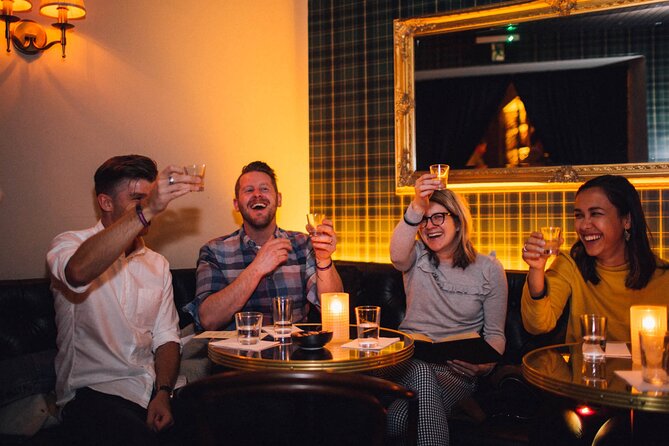
- Three bars in three hours: You get a compact mix of city walking, local history, and drinks rather than a long pub crawl.
- Stories beyond the usual tour: Expect tales of barmaids, police, gold, men’s clubs, Chinatown, and Melbourne’s old red-light district.
- A small group of up to 12: This suits you if you prefer questions and conversation over a large crowd.
- The bars change: The exact venues can vary, and some may require steps.
- Drinks cost extra: The price covers the guide, GST, and tour materials, not cocktails, beer, wine, or other alcohol.
- A useful starting point: The tour begins at Fed Square and ends around the east end of Bourke Street.
Why this tour gives Melbourne a different first look
This is not simply a walk between pubs. It is a short lesson in how Melbourne’s drinking culture grew, changed, and moved into the lanes.
You begin at Federation Square, then work through the compact central city toward Chinatown and Bourke Street. That route matters because Melbourne’s nightlife is not confined to one strip. Bars, restaurants, clubs, old buildings, street art, and small lanes sit close together, but the city does not always announce what is behind each door.
The tour also gives you a useful time frame. Melbourne’s early growth was tied to the gold rush, while its modern laneway bar culture came much later after an important rule change in the 1980s. The guide connects those periods rather than treating each sight as a separate stop.
I would book this early in your Melbourne stay if you want ideas for later evenings. The free map of recommended bars and the chance to ask the guide for food and entertainment advice can help you plan the rest of your visit.
More Speakeasy and Hidden Bar Tours in Australia
- Melbourne: Hidden Bar and Cocktail Tour
★ 4.8 · 62 reviews - Hidden Bars of Melbourne
★ 4.5 · 38 reviews - Melbourne Beer Tour – Hidden Bars & Local Brews
★ 4.9 · 12 reviews
Federation Square sets the scene
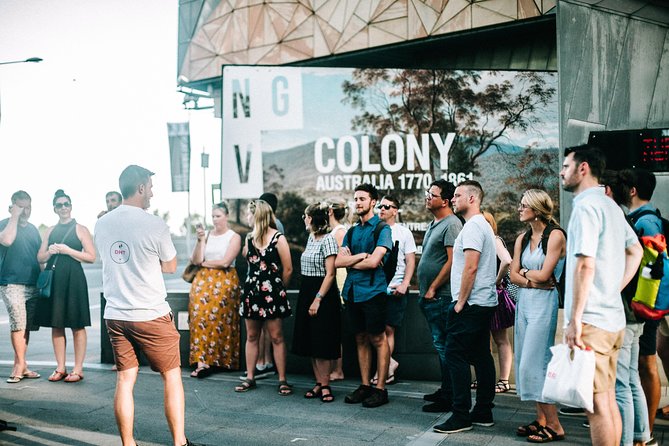
The meeting point is Federation Square, at the corner of Swanston Street and Flinders Street. It is one of Melbourne’s most recognizable public spaces, and also one of its most debated pieces of modern architecture. The tour uses the square to explain how alcohol shaped the city’s foundation.
This opening is brief, about 10 minutes, but useful. You get your bearings and begin with context instead of rushing straight to the first drink. The guide introduces Melbourne’s relationship with alcohol before the group moves into the lanes.
Because the tour starts in a busy public square, arrive with enough time to locate the guide and group. The booking confirmation is issued at the time of booking, and the tour uses a mobile ticket.
Oliver Lane and Melbourne’s small-scale city
Oliver Lane is the first narrow passage on the route. Here, the guide explains how Melbourne’s laneways developed and points toward the food scene tucked into these smaller streets.
The stop is short, around five minutes, so do not expect a full restaurant guide or a long architectural lecture. Its value is in changing how you look at the city. Once you understand that these lanes are part of Melbourne’s social and food life, you start noticing entrances and signs that are easy to miss from a main road.
This is also where the walk begins to feel less like a conventional sightseeing route. You are still close to major city streets, but the scale becomes tighter and more intimate.
AC/DC Lane and Duckboard Place bring the colour
AC/DC Lane is one of the tour’s most visual stops. It is known for its street art, and the guide gives you time to look before moving on. The name itself links the lane with Melbourne’s music identity, while the painted walls provide a strong change of mood from Federation Square.
Duckboard Place continues the street-art theme. You hear more about Melbourne’s street-art scene and get further tips on places to eat and drink.
These stops are short, each about five minutes. That keeps the overall route moving, but it also means you should not expect a dedicated street-art tour. I would bring a phone or camera if you like taking pictures, and wear shoes that are comfortable on city pavement. Photos of the tour can also be provided at no extra charge, which is a nice touch if you prefer to stay focused on the walk.
More speakeasy and hidden bar tours in Melbourne:
- Melbourne: Hidden Bars & Creepy Tales Walking Tour
★ 4.8 · 10 reviews - Melbourne: Hidden Bars & Laneway Legends Walking Tour
★ 3.7 · 9 reviews - Hidden Bars Tour
★ 4.5 · 4 reviews - Sofia’s Hidden Bars: 4-Hour Pub Crawl
★ 4.6 · 884 reviews
Ridgway Place turns to odd and revealing stories
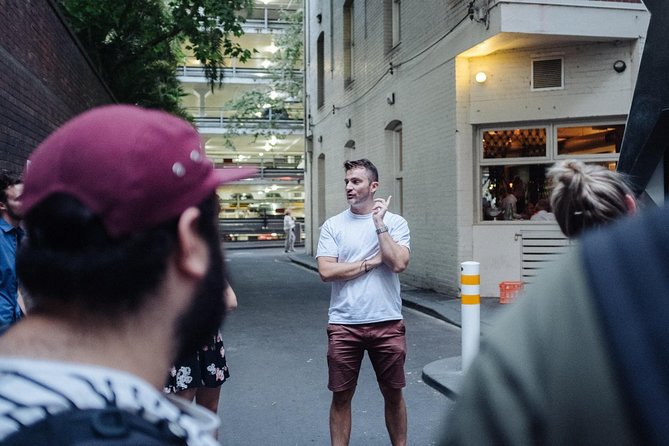
Ridgway Place changes the subject from painted walls to social history. It is associated with one of Australia’s oldest men’s social clubs and with the consulate of one of the world’s smallest countries.
The guide also covers Melbourne’s booziest police commissioner and the strange persecution of barmaids. These are exactly the sort of stories that make this tour different from a standard landmark walk. They show how rules, status, gender, and alcohol shaped everyday life in the city.
The stop lasts about five minutes, so the guide needs to keep the story tight. The best part is the contrast. You are not only hearing about grand civic events. You are hearing about the people and institutions that operated around the city’s drinking culture.
Meyers Place explains the modern bar scene
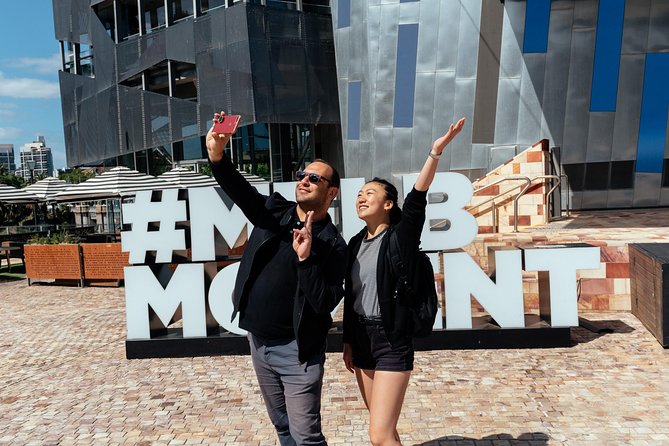
Meyers Place is described as the spiritual home of Melbourne’s laneway bar culture. This is the point where the tour shifts more clearly toward present-day nightlife.
You learn how Melbourne’s bar scene developed after a key rule change in the 1980s. The guide also points out some of the city’s tucked-away bars. That background helps explain why Melbourne is famous for small, discreet drinking spaces rather than only large venues on major streets.
This stop is particularly useful if you want to go out later but do not know where to begin. You receive a map of recommended bars upon request, and the tour team can offer suggestions for food, entertainment, and other activities in Melbourne.
Keep in mind that the exact bars visited can vary. That is part of the appeal, since the tour can use different venues, but it also means you should not book expecting one fixed list of interiors.
Parliament and gold-rush Melbourne
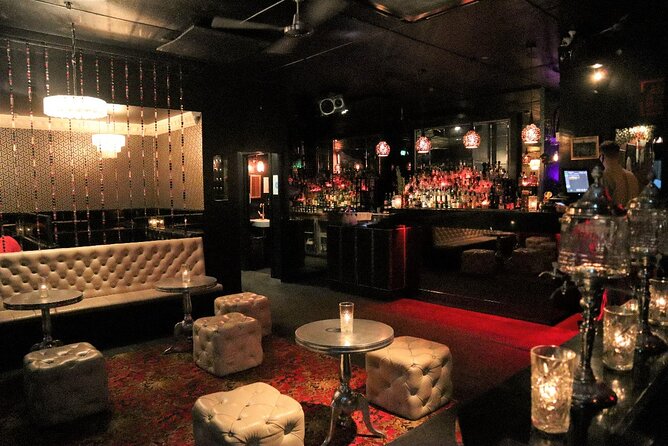
The route continues toward the Parliament of Victoria, where the guide brings the story back to Melbourne’s foundation. Victoria grew during the gold rush, and those discoveries helped shape the state’s rise.
This short stop gives the evening some balance. Without it, the experience could feel like a collection of amusing bar tales. The gold-rush context reminds you that Melbourne’s wealth, buildings, institutions, and social life grew from a much larger economic shift.
The guide does not spend the whole tour on formal politics or architecture. Instead, Parliament acts as a marker in the city’s wider story. You get enough context to understand why the central city developed as it did, then return to the lanes and bars.
Chinatown and Little Bourke Street reveal another side
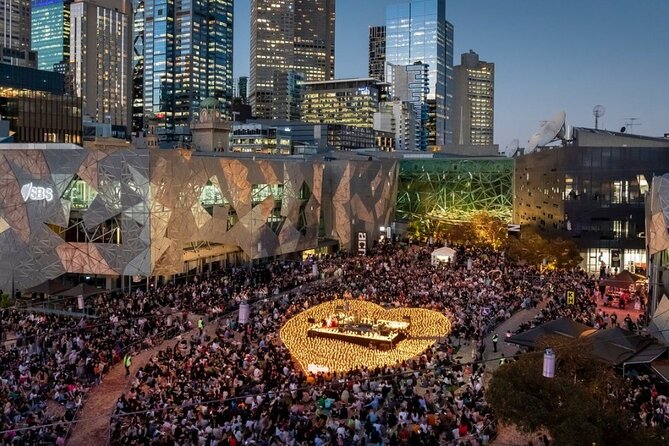
Chinatown Melbourne is identified as the world’s second-oldest Chinatown and is also home to some of the city’s bars. The stop adds another layer to the route, connecting food, migration, nightlife, and the central city’s long-running social life.
Little Bourke Street brings the tour to Melbourne’s old red-light district. The guide uses this area to discuss secrets, changing uses of the city, and more bars tucked into the surrounding streets.
These stops are not designed as lengthy visits inside museums or heritage buildings. They are quick explanations outdoors, with the streets themselves providing the setting. That makes the experience lively, but you should expect a walking tour with stops, not a formal attraction tour with extended admission time.
The end point is around the east end of Bourke Street, close to Reesby at Level 1, 45 Bourke Street, though the precise finish depends on which bars the group visits. This is a useful place to end if you want to continue into central Melbourne, but plan your onward transport around the general area rather than one guaranteed doorway.
The three bar stops are the heart of the evening
The tour visits three laneway bars. Drinks are not included, so you pay for your own alcoholic beverages at each venue. That gives you control over your spending, but the advertised tour price is not the full cost of the night if you plan to order at every stop.
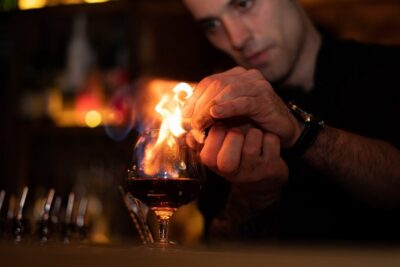
The bars are selected for their character and place in Melbourne’s nightlife. The experience can include cocktails, and the guide may offer a trivia quiz at the second bar, with a chance to win a prize. The quiz adds a playful break between the history stories and gives the group an easy way to talk with one another.
Three bars is a sensible number for a three-hour tour. You get enough variety to compare venues without spending the whole evening hurrying from one doorway to the next. The guide keeps the group moving, while the stops provide time to sit, order, and chat.
If you do not drink alcohol, the supplied information does not promise non-alcoholic options, so ask the tour provider before booking. The focus is clearly on bar culture, and the drink cost sits outside the ticket price.
Guides make a real difference
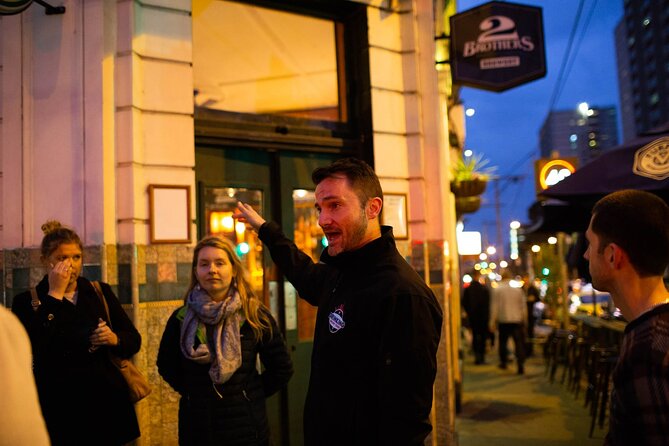
The tour depends heavily on the guide’s storytelling. Tess is described as an energetic storyteller who brings a lot of information without making the walk feel like a classroom. Tom is known for combining city history with an engaging manner, and Bridgette or Brigitte brings energy and passion to the afternoon.
Other named guides include Daniel and Lenny. Daniel leads the route with strong local knowledge, while Lenny is noted for telling plenty of stories and guiding the group through a good selection of bars.
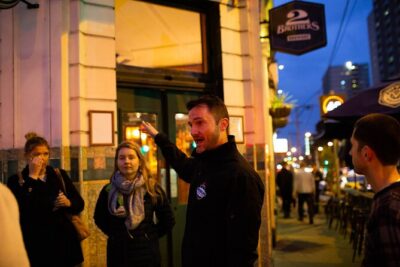
That range matters because this is a talk-led experience. The lanes and bars provide the setting, but the guide supplies the links between them. A good guide can turn a five-minute stop into a memorable story. The small group size helps here. With no more than 12 people, it should be easier to hear, ask questions, and keep the conversation going.
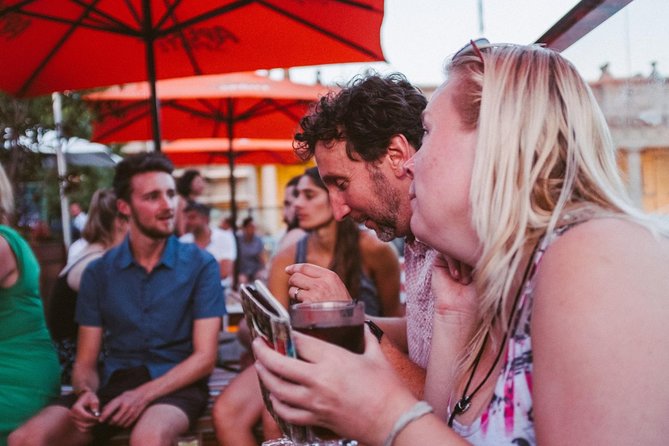
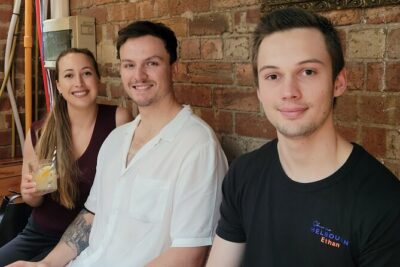
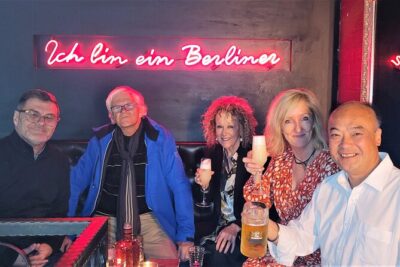
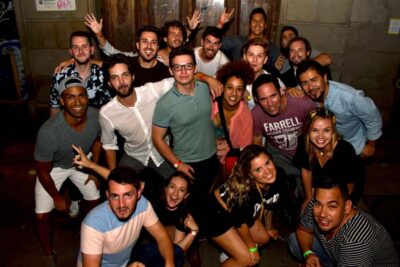
The experience also has a social side. The format brings together people from different places, and the quiz gives the group a simple shared activity. You should expect conversation rather than a silent, private walk.
Price, timing, and practical trade-offs
At $46.61 per person, the tour is reasonably priced for three hours with a professional guide, GST, a bar map on request, and local advice. It is not an all-inclusive drinking package, since alcoholic beverages are extra. I would judge the value by the stories and access to three distinctive venues, not by the number of drinks included.
The compact timing is one of its strengths. You cover a lot of central Melbourne without giving up an entire day. At the same time, three hours is long enough to require comfortable shoes and a moderate level of fitness.
The route is flat, but some bars may have steps, and the lanes have uneven surfaces. Service animals are allowed. The tour is near public transportation, and the dress code is casual. The minimum age is 18.
Free cancellation is available if you cancel at least 24 hours before the start time. Cancellations inside that window are not refunded, and the tour requires a minimum number of people to operate. If that minimum is not met, you are offered another date or experience, or a full refund.
Who should book this Melbourne walk
I would choose this tour if you like history with a social edge, want to find bars you might miss on your own, and prefer a small group. It also suits first-time visitors who want a quick introduction to Melbourne’s lanes before planning more meals and evenings in the central city.
It is a good match for couples, friends, solo visitors who enjoy meeting people, and anyone who finds a normal sightseeing tour too formal. The mix of street art, drinking history, Chinatown, gold-rush context, and cocktails keeps the pace varied.
I would think twice if you need step-free access, dislike walking on uneven surfaces, or want every drink included in the ticket. It is also not the right choice if your main goal is a dedicated street-art tour, a full architectural tour, or a long stay at one bar.
Should you book Hidden Bars & Laneway Legends?
Book it if you want Melbourne explained through its lanes, old rules, unusual characters, and small bars. The strongest reasons are the three-venue format, the unusual stories, and the guides’ lively storytelling. The 4.9 rating from 177 reviews and 99 percent recommendation rate fit the experience described by the tour structure, especially its balance of information and fun.
Before you pay, accept two facts: drinks cost extra, and the bar route can change. If those points work for you, this is a good-value way to spend three hours and leave with both a better sense of Melbourne and a practical list of places to try later.
FAQ
Where does the Hidden Bars & Laneway Legends Tour start?
It starts at Federation Square, at Swanston Street and Flinders Street in Melbourne.
Where does the tour finish?
It finishes around the east end of Bourke Street. The exact end point depends on which bars are visited.
How long does the tour last?
The tour lasts approximately three hours.
How many bars does the tour visit?
You visit three laneway bars during the experience.
Are alcoholic drinks included in the price?
No. Alcoholic beverages are not included and must be paid for separately.
What is included in the ticket?
The ticket includes GST, a professional guide, a Melbourne bar map on request, and expert tips for food, entertainment, and other Melbourne activities.
What is the minimum age?
The minimum age is 18.
Is the tour suitable for someone with walking difficulties?
The route is flat, but the tour uses uneven surfaces and some bars may require steps. It is not recommended for people with walking disabilities.
Can I cancel for a refund?
Yes, you can receive a full refund if you cancel at least 24 hours before the experience start time. Changes or cancellations made less than 24 hours before the start are not accepted for a refund.
Just added around Melbourne
- Melbourne: Spirits and Ales Haunted Pub Walking Tour★ 4.8 · 8 reviews
- Melbourne: Hidden Bars & Creepy Tales Walking Tour★ 4.8 · 10 reviews
- Melbourne Music Venue Pub Crawl with History + 2 Free Drinks★ 5.0 · 4 reviews
- Melbourne Beer Tour – Hidden Bars & Local Brews★ 4.9 · 12 reviews
- Melbourne: City`s History and Unique Bar Scene Tour★ 4.7 · 19 reviews
- Melbourne: Hidden Bars & Laneway Legends Walking Tour★ 3.7 · 9 reviews
- Hidden Bars Tour★ 4.5 · 4 reviews
- Alcotraz Melbourne: World’s First Prison-Themed Cocktail Bar★ 4.6 · 16 reviews
Melbourne Bar Tours, compared.
Melbourne’s Living Laneway Scene: Local Bars and Their Stories
Read our review →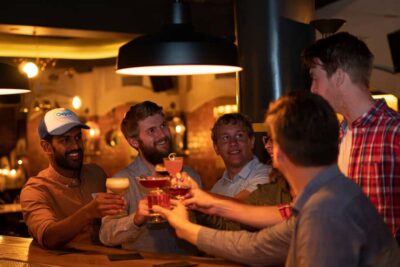
Creepy Tales, Bars & Laneways Of Melbourne Walking Tour
Read our review →
Browse the lists this tour appears in