
REVIEW · SHANGHAI
Shanghai Mahjong Experience in Local Tea Bar
Mahjong is not just a board game here. It is a window into everyday Chinese social life, and this three-hour class puts you at the table in a local tea bar rather than in a polished sightseeing venue. Jenny and her local friends teach beginners in English, then let you practice on automatic Mahjong tables.
I like the small private setting, where only your group takes part, and the clear English help, which removes the usual worry about Chinese rules and terms. The handouts, patient teaching, and chance to play for yourself make this more than a talk about Mahjong.
The main drawback is the price: $95 per person is a serious spend for a three-hour activity, especially since tea and other drinks cost extra. Still, group discounts may improve the value, and the private format gives you personal attention that a large class cannot match.
Key points before you book
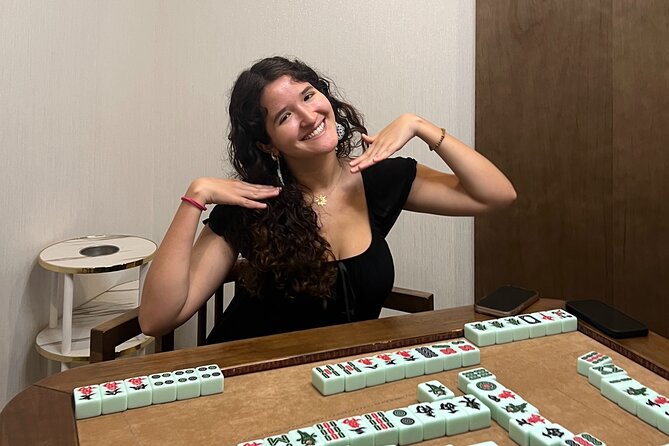
- Learn with Jenny and local players: You get direct instruction, translation, and a friendly introduction to Shanghai Mahjong.
- Play on automatic Mahjong tables: These machines shuffle and arrange the tiles, giving you a look at how the game is played in modern Chinese homes and clubs.
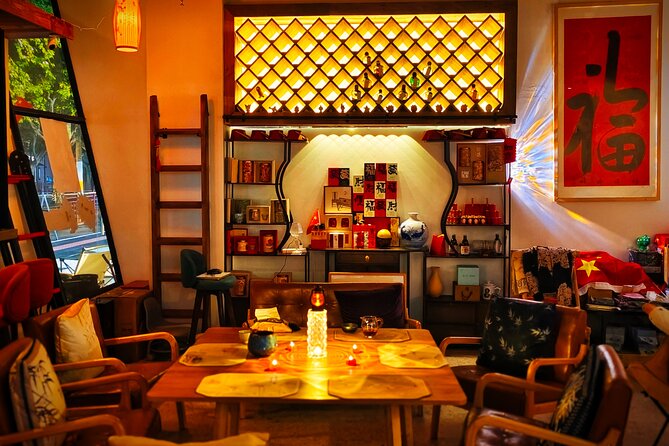
- Held in a real neighborhood tea bar: The setting is part of the experience, not just a room chosen for teaching.
- Suitable for complete beginners: You need no previous Mahjong experience, and instruction sheets help you keep track of the rules.
- Private for your own group: Only your party participates, which makes it easier to ask questions and learn at your own pace.
- Near the Former French Concession: After class, you can walk around the area, including nearby Tianzifang.
Why Mahjong makes a good Shanghai activity
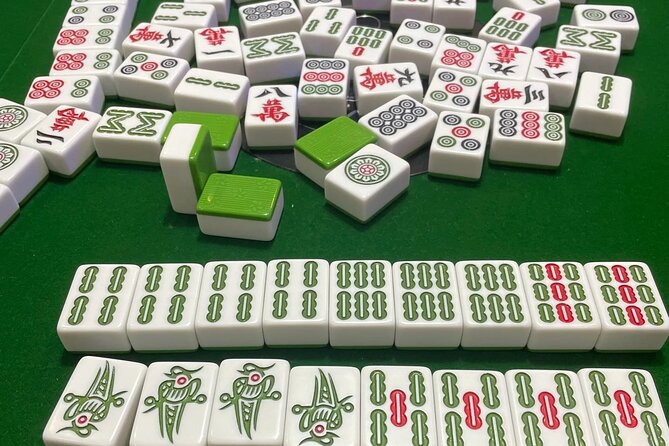
Shanghai can sometimes feel like a city of grand buildings, shopping streets, and famous viewpoints. Those sights matter, but they do not always show how people spend a quiet afternoon with friends. Mahjong fills that gap.
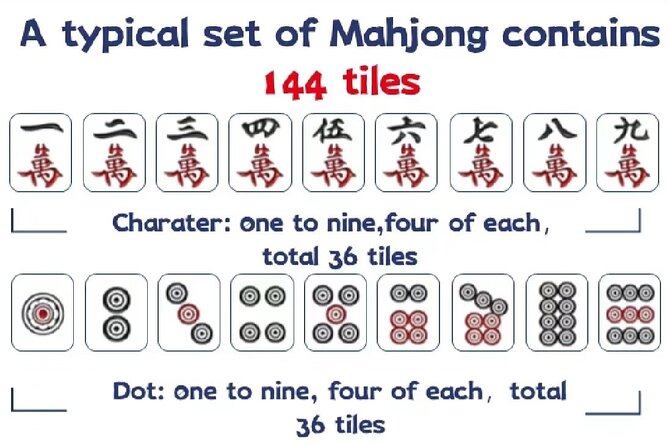
The game is played with numbered and character tiles, along with special tiles, and it rewards attention, memory, and a little luck. It also works as a social ritual. People talk, watch one another’s moves, and share time around the table. You are not simply learning rules. You are seeing one of the ways leisure has worked in Chinese life for generations.
That makes this activity useful for anyone who wants a break from the usual sightseeing circuit. You sit down, listen, handle the tiles, and take part. The pace is slower than a guided walk, which is welcome after a busy day in Shanghai.
You should not expect to become an expert in three hours. Mahjong has enough rules and variations to keep players learning for years. The point here is to understand the basic structure, play several hands, and leave with enough confidence to recognize the game when you see it again.
A few more bar nights around China worth a look
- 4-Hour Shanghai Pub Crawl (bars & nightclub hopping)
★ 4.8 · 190 reviews - Shanghai: 4-Hour Nightlife Adventure & Tasting Bike Tour
★ 4.4 · 81 reviews - Hong Kong: 3-Hour Lan Kwai Fong Pub Crawl
★ 4.1 · 45 reviews
Finding the tea bar at 327 Shan Xi Nan Lu
The meeting point is 327 Shan Xi Nan Lu in Huangpu District. The experience takes place in a local Chinese tea bar in the Former French Concession area, near public transportation.
The tea bar setting matters. A classroom or hotel meeting room would make the lesson easier to stage, but it would lose some of the character. Here, you enter a place connected to ordinary local leisure. The combination of tea, conversation, and Mahjong gives the activity a distinctly Shanghai feel.
The exact setting may be easy to miss if you expect a large tour office. Keep the full address available on your phone, and allow enough time to find the entrance. Confirmation arrives when you book, so check the meeting instructions before setting out.
The activity ends back at the same meeting point. That is useful if you want to continue exploring the Former French Concession afterward. Tianzifang is nearby and makes a natural follow-up walk, though your time there is not part of the formal three-hour class.
Meeting Jenny and getting the basic rules
The class begins with an introduction to Mahjong and its place in Chinese life. Jenny guides the session, with English translation provided so you can follow the rules and cultural explanations without guessing.
For a first-time player, this is the part that makes or breaks the afternoon. Mahjong looks complicated at first because the tiles are unfamiliar and the winning patterns can seem hard to remember. A patient teacher can make the difference between feeling lost and enjoying the first hand.
You receive instruction sheets to help organize the information. These are useful because you will not remember every term after hearing it once. Keep the handout beside you while you play, especially during the first rounds.
The teaching covers the basic rules, methods of play, and simple strategy. Expect to learn what the tiles mean, how turns work, how tiles are drawn and discarded, and how a winning hand is formed. You also get an explanation of why Mahjong remains popular, rather than treating it as a game with rules detached from its setting.
The class suits complete beginners, but people who already know another version of Mahjong should listen carefully. Rules differ by region and style. The Shanghai format used here may not match the version you have played elsewhere.
Taking your first turn on an automatic table
The most distinctive practical feature is the automatic Mahjong table. These tables shuffle the tiles and prepare them for the next round, reducing the physical work of mixing and stacking the set.
That may sound like a small detail, but it helps you focus on the game. You can watch the table operate, then concentrate on your choices instead of spending much of the session arranging tiles by hand. It also gives you a glimpse of the equipment used in present-day casual and competitive play in China.
Once the explanation is over, you play with the instructor and local friends. This hands-on part is more valuable than a demonstration. Mahjong rules make more sense once you have a hand in front of you and must decide what to keep or discard.
You will probably make mistakes. That is normal and useful. The teacher can explain why a move works or does not work, and you get a better feel for the rhythm of the game with each turn. The session is designed for learning, not for proving that you already know what you are doing.
The private format helps here. With only your group participating, you can stop to ask about a tile or rule without worrying about holding up a large class. If one person in your group learns quickly and another needs more time, the instructor can adjust the explanation.
Same city, a completely different last round:
- Shanghai bar hopping tour in the former french concession
★ 5.0 · 43 reviews - Hong Kong Pub Crawl at Lan Kwai Fong (LKF)
★ 4.5 · 40 reviews - Shanghai Authentic Dinner and Night River Cruise with Rooftop Bar Hopping Option
★ 5.0 · 37 reviews - Beijing Imperial Dining Experience at Bai Jia Da Yuan Restaurant with Houhai Lake Bar Tour
★ 5.0 · 16 reviews
Tea, conversation, and the social side of the game
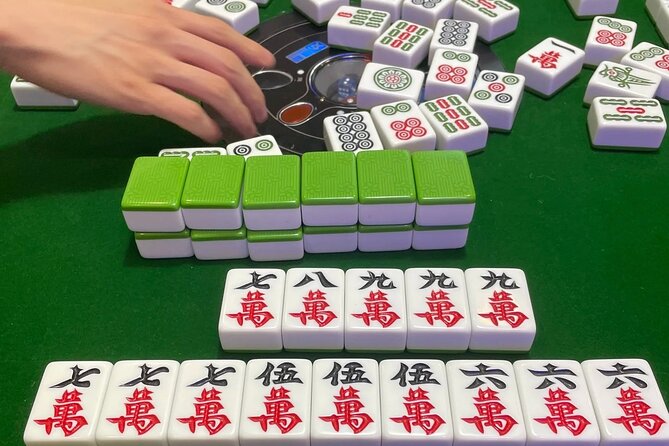
The tea bar provides the right background for a game that is as social as it is strategic. You have time to listen, ask questions, and notice how Mahjong brings people together.
Tea is part of the atmosphere, but it is not included in the price. Coffee, tea, alcohol, and other drinks are listed as additional expenses. That is worth knowing before you arrive, particularly if you are comparing the total cost with other Shanghai activities.
Do not treat the missing drinks as a flaw in the class itself. The important point is that the activity takes place in a tea bar, not that a beverage is bundled into the ticket. Still, a $95 experience can feel more expensive if you also expect to pay for refreshments.
The social side is one of the strongest reasons to choose this class. The instructor and local friends help the game feel welcoming rather than formal. The activity has received full marks from the four available ratings, with particular praise for patient instruction, clear English support, and the pleasant tea-house setting.
That praise lines up with what you should value here: not a long list of sightseeing stops, but a warm, interactive afternoon with local people.
The cultural story behind Mahjong
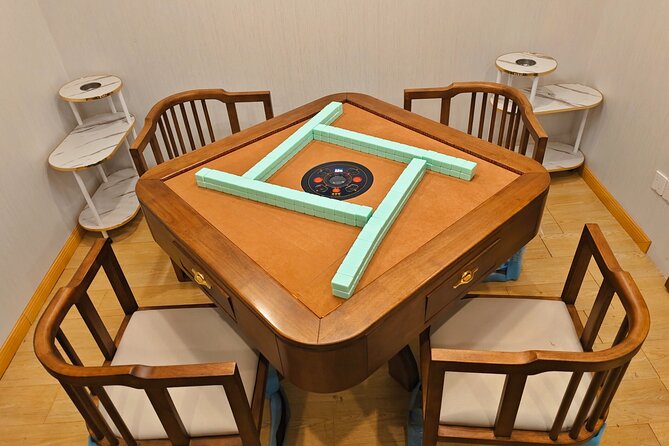
Mahjong has a long place in Chinese social life, and the class explains how the game developed and why it remains widely played today. The historical section gives the tiles more meaning. You begin to see why Mahjong is not just a puzzle, but a familiar part of family gatherings, neighborhood recreation, and friendly competition.
The cultural explanation also helps you understand the setting. In a museum, you can look at objects from a distance. At the tea bar, you are sitting at the table and following the same basic activity that many people use to relax and socialize.
The translator is especially important during this part. Game rules can often be shown with gestures, but cultural background needs clear language. English translation lets you ask about the social role of the game and understand the explanations rather than simply copying the motions.
This is also where expectations should stay realistic. The session offers an introduction, not a full academic history of Mahjong or every regional variation. You get enough context to understand the game’s place in Chinese society and appreciate what you are playing.
What the $95 price includes
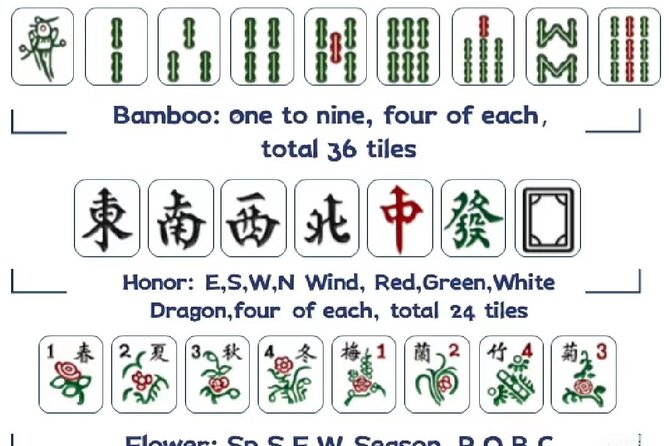
At $95 per person, this is not a bargain activity in the narrow sense. You are paying more than you would for a self-guided afternoon in the Former French Concession. The value comes from access, instruction, translation, and privacy.
Your price includes:
- Use of an electronic Mahjong table
- Mahjong instruction
- An English-speaking guide and translator
- A private session for your group
For two people, the cost is substantial. For a small group that wants a private cultural activity, it may make more sense, especially if a group discount applies. The instructor’s time, English translation, and use of the automatic table are important parts of the cost.
I would compare it with what you want from your Shanghai schedule. If you want the cheapest possible activity, choose a public park, market, or self-guided walk. If you want someone to explain a local pastime while you actually take part, this class offers something those options cannot.
The price also buys a useful kind of travel memory. You are not simply photographing the Former French Concession. You are learning a skill, meeting local people, and gaining a better understanding of a game you may notice elsewhere in China.
Who will enjoy this experience most
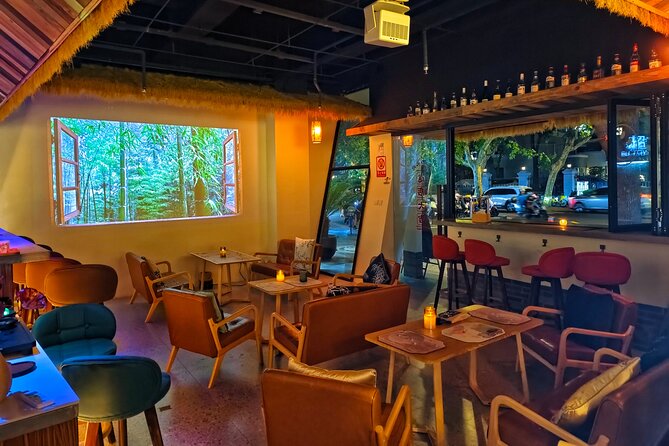
This class is a good fit for couples, friends, and families who want to do something together rather than follow a guide from one sight to another. It also suits visitors in Shanghai for a conference who have only one free afternoon and want an activity that feels different from standard city tours.
Complete beginners are welcome. You do not need to know the tiles, the vocabulary, or the winning combinations before arriving. The instruction sheets and translation give you a practical starting point.
People who already play Mahjong may still enjoy the class, especially if they want to compare styles or learn how the automatic tables work. Just remember that regional rules can differ, so familiarity with one version does not guarantee familiarity with this one.
This may not suit you if you dislike seated activities, board games, or lessons that require concentration. Three hours at a table is a long time if you would rather keep walking. It is also not the best choice for someone looking for a fast tour with several major sights.
Most people can participate, and the activity is near public transportation. The supplied information does not give detailed accessibility notes, so you should contact the provider if you have specific mobility needs.
Planning the rest of your afternoon
The class ends at the meeting point, leaving you in a useful part of Shanghai. You can continue around the Former French Concession and walk toward Tianzifang nearby.
That pairing works well. Start with the quiet focus of Mahjong, then step back outside for architecture, lanes, shops, and street life. The contrast gives the afternoon shape without forcing you into another scheduled activity.
I would avoid packing the class between two rushed sightseeing appointments. The value comes from having time to settle in, listen, play, and ask questions. Arrive ready to focus, then leave room afterward for a relaxed walk.
The experience lasts about three hours. Confirm the start time carefully, since cancellation and change cutoffs use local Shanghai time. You can cancel for a full refund up to 24 hours before the start, but changes or cancellations within 24 hours are not accepted for a refund.
Should you book the Shanghai Mahjong Experience?
Book it if you want local contact, patient teaching, and a real chance to play rather than watch a cultural demonstration. Jenny’s English support, instruction sheets, automatic table, and small private format make the class approachable for first-timers.
Think twice if $95 feels high for a three-hour activity or if you are not interested in board games. Tea and other drinks are extra, and the class does not include a full guided tour of the Former French Concession.
For the right visitor, this is a thoughtful way to spend an afternoon in Shanghai. You learn the basics, hear why Mahjong matters, share a table with local people, and finish near one of the city’s most interesting neighborhoods. That is a fair trade for travelers who value participation over sightseeing from the sidelines.
FAQ
Where does the Shanghai Mahjong experience take place?
It takes place at a local Chinese tea bar at 327 Shan Xi Nan Lu, Huangpu District, Shanghai, in the Former French Concession area.
How long does the Mahjong class last?
The experience lasts about three hours and ends back at the meeting point.
Do I need previous Mahjong experience?
No. The class is suitable for complete beginners, and the instructor explains the rules, strategies, and techniques from the basics.
Is English translation provided?
Yes. A professional English guide and translator helps explain the game and its cultural background.
Are drinks included in the price?
No. Tea, coffee, alcohol, and other drinks are not included.
Can I cancel for a full refund?
Yes, if you cancel at least 24 hours before the experience start time. Cancellations or changes made less than 24 hours in advance are not accepted for a refund.
Just added around China
- Xi’an Bar Crawl: Drink, Gaming, Snacks & Meet with Locals★ 4.0 · 13 reviews
- Xi’an Nightlife: Tang Dynasty Music and Dance Show★ 5.0 · 2 reviews
- Shanghai bar hopping tour in the former French concession★ 5.0 · 3 reviews
- Shanghai Nightlife: Bars in The Bund and Old French Concession★ 5.0 · 11 reviews
- Private Shanghai Night Tour with Lost Heaven Dinner and Bar Hopping Option★ 5.0 · 2 reviews
- Shanghai Foodie Test & Nightlife Adventure Bike Tour★ 5.0 · 12 reviews
- Private Shanghai Foodie Adventures with Rooftop Bar Hopping★ 5.0 · 5 reviews
- Private Guangzhou Night Tour with Canton Tower and Bar Hopping★ 5.0 · 4 reviews
Shanghai Bar Tours, compared.

4-Hour Shanghai Pub Crawl (bars & nightclub hopping)
Read our review →
Shanghai: 4-Hour Nightlife Adventure & Tasting Bike Tour
Read our review →
Shanghai bar hopping tour in the former french concession
Read our review →
Shanghai Authentic Dinner and Night River Cruise with Rooftop Bar Hopping Option
Read our review →
Shanghai Immersive Royal Banquet+Photo, Bar/Massage Options
Read our review →
Shanghai Foodie Test & Nightlife Adventure Bike Tour
Read our review →
Shanghai Fuxing INS – All Access Ticket for 7 nightclubs
Read our review →
Shanghai Nightlife: Bars in The Bund and Old French Concession
Read our review →Browse the lists this tour appears in