
REVIEW · TOKYO
Asakusa: Culture exploring bar visits after history tour
Asakusa’s best stories make more sense over a small plate and a drink. This four-hour evening experience first explains how the Sumida River, Senso-ji, and Asakusa grew together, then takes you to three local-style izakaya restaurants. I like the clear link between history and food, and I like the small eight-person limit, which should make questions and conversation easier.
The main consideration is the balance of time. One booking specifically wished for less time around the temple area and more time explaining Japanese culture through food. If your priority is a long, detailed meal, this tour may feel history-heavy at the start.
Key points to know
- Three izakaya stops: Taste 3 to 4 dishes and enjoy 3 to 4 drinks across three different restaurants.
- A 1,400-year story: Learn how the Sumida River helped shape Senso-ji and Asakusa.
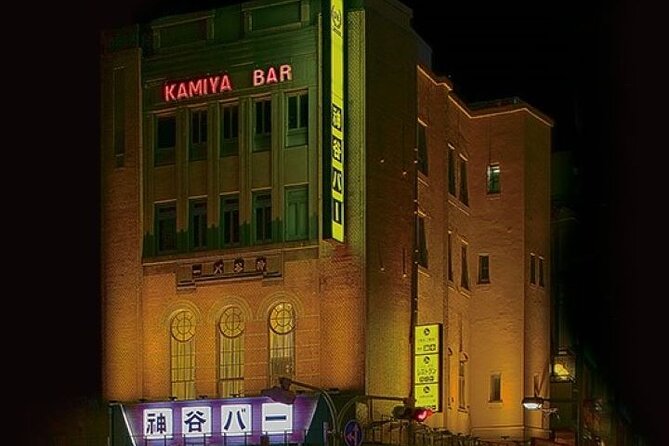
- Evening atmosphere: Historic landmarks take on a different character when lit after dark.
- Small English-speaking group: The maximum is 8 participants, with headsets provided.
- Fixed meeting point: Meet outside the Burger King beside Exit 4 of Asakusa Station on the Ginza Line.
- Walking matters: Comfortable shoes are important, and the tour is not suitable for people with mobility impairments.
Why Asakusa makes a good food-and-history night
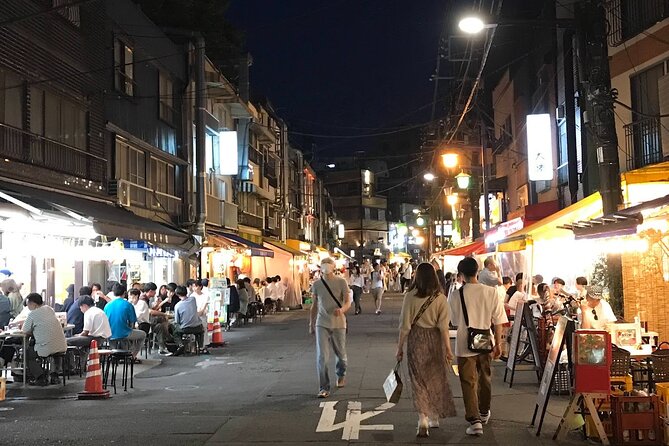
Asakusa is one of Tokyo’s most useful places for connecting old Japan with modern city life. The tour begins with the area’s long story rather than sending you straight to dinner. That choice matters because the food stops are meant to show how ordinary eating and drinking fit into Japanese culture.
You start near Asakusa Station, at the Burger King beside Exit 4 of the Ginza subway line. Step outside the station before looking for the meeting point. The location is specific, but Asakusa has several railway and subway exits, so checking the map link before you set out will save time.
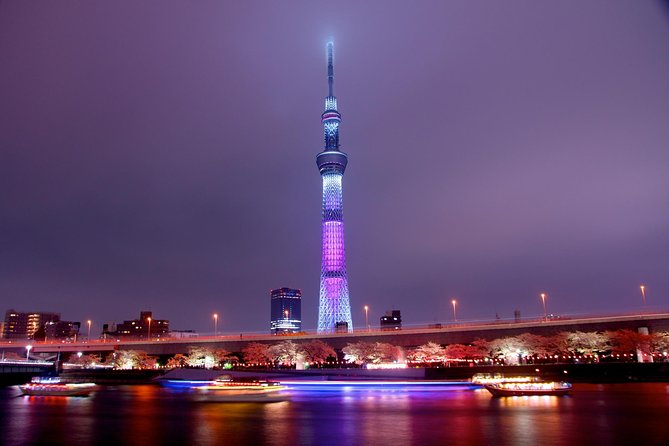
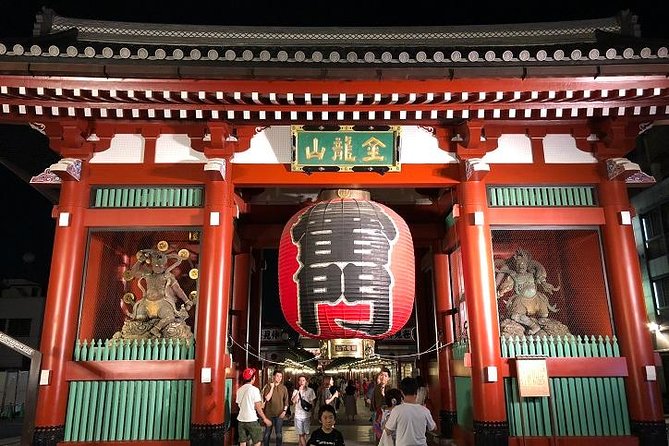
From there, the guide leads the walking portion through Asakusa’s historic area. The setting is especially appealing at night, when landmarks are lit and the district takes on a more reflective mood. You are not simply being shown a temple and then sent to dinner. The guide explains why the area developed as it did.
The tour covers about 1,400 years of Asakusa history. That is a large subject for four hours, so expect a focused introduction rather than a full academic account. The strongest part is the connection between place, religion, trade, entertainment, and food.
More history tours with a drink in Tokyo:
- Tokyo: The Best of Izakaya in Shinjuku Food & Cultural Tour
★ 4.9 · 221 reviews - London Small Group Tour of Historical Pubs
★ 5.0 · 10,422 reviews - Prague Historic Pub Tour with Drinks Included
★ 5.0 · 2,084 reviews
The Sumida River and the beginnings of Senso-ji
One of the tour’s central questions is why the Sumida River is tied to the origin of Senso-ji. The guide uses that story to show how a river can shape a settlement and give a religious site wider importance.
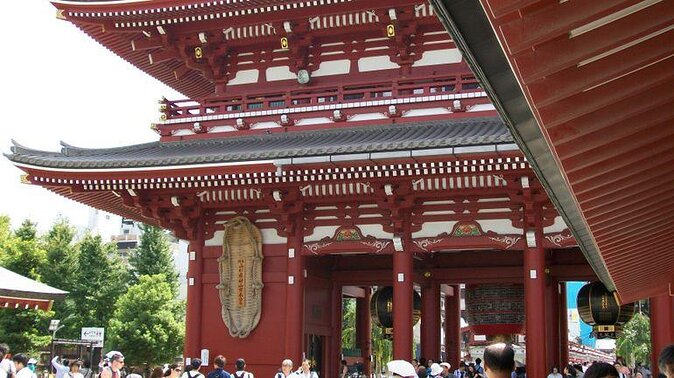
This is a useful starting point because Senso-ji is not treated as an isolated monument. You learn how the temple and the surrounding community developed together. The point is not only to admire an old building, but to understand why Asakusa became a major center of activity.
I like this approach for first-time visitors. Without context, temple gates, lanterns, and old streets can blur together after several days in Tokyo. A guide who explains the relationship between the river, the temple, and the neighborhood gives those sights a clearer place in your memory.
The walking section also makes the evening meal more meaningful. Japanese food is not presented as a list of famous dishes. Instead, it is connected to the places where people eat, the social habits built around meals, and the way common dining culture changed over time.
Senso-ji after dark
The historic landmarks are a major part of the experience, especially when they are lit in the evening. Night changes the mood around Senso-ji and the surrounding area. You may find the quieter light more striking than the daytime crowds and bright signs that often define central Tokyo.
The tour does not promise a private or empty temple visit. You should still expect to be walking in a popular part of the city. The value comes from having a guide point out what matters and explain the history while you are looking at it.
The headsets are a practical touch. With up to eight people, the group remains small, but city streets are not silent. Headsets let you hear the English-speaking guide without standing shoulder to shoulder at every stop. They also allow you to look around while listening instead of keeping your eyes fixed on the guide.
Wear comfortable shoes. The experience involves walking between the history section and the restaurants, and the provider specifically says it is not suitable for people with mobility impairments. No hotel pickup or drop-off is provided, so you also need to make your own way to and from Asakusa Station.
From temple history to neighborhood drinking culture
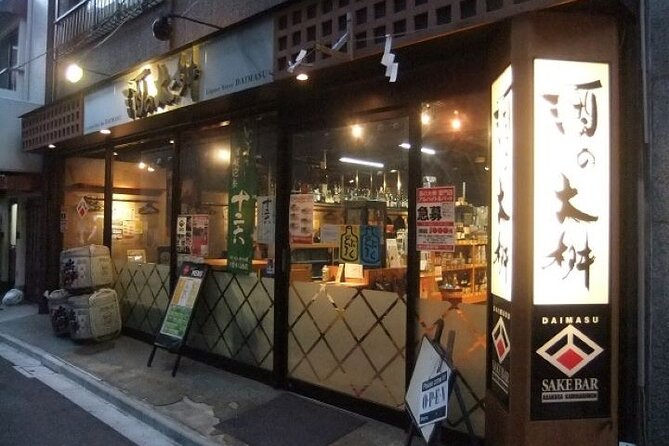
After the history walk, the tour shifts to three distinct izakaya restaurants. An izakaya is a casual place where people commonly meet coworkers and friends to relax after the day. It is not presented as a formal fine-dining experience, and that is the point.
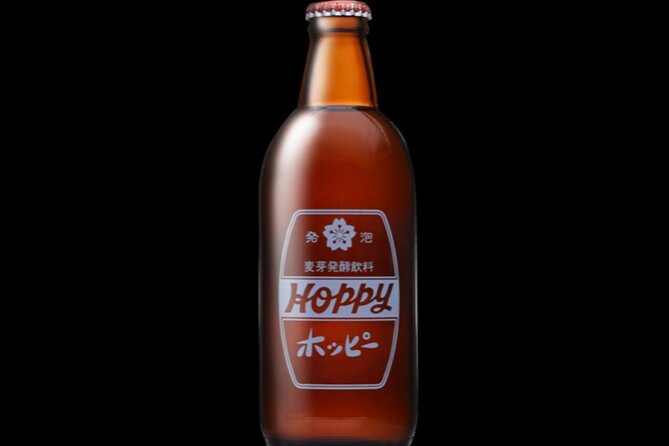
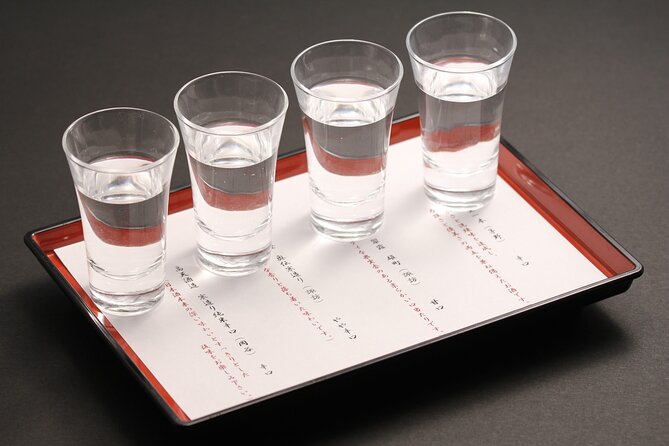
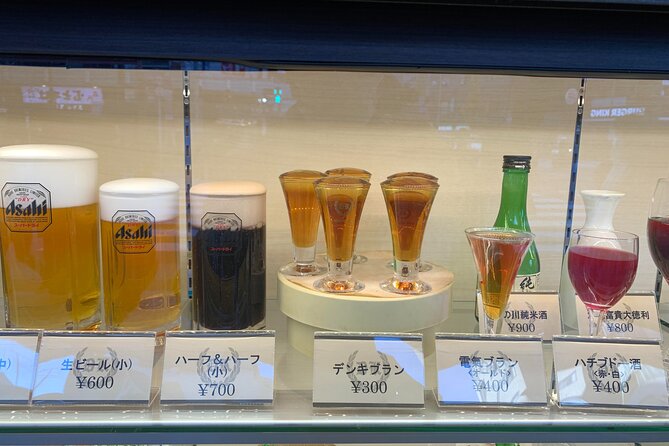
The food is described as unassuming and closely tied to Japanese history and culture. You get 3 to 4 dishes and 3 to 4 drinks during the dinner portion. The information does not specify exact dishes, drink brands, or the order of the three stops, so do not book this expecting a fixed tasting menu.
Instead, think of the meal as a guided look at how local dining works. You see the sort of setting where people unwind, share food, and spend time together. The guide explains the cultural meaning behind what is being served and helps you understand Japanese cuisine beyond the most familiar restaurant specialties.
I especially like the decision to use three restaurants rather than one. Each stop can show a slightly different side of izakaya culture, even though the experience remains within the same broad dining tradition. It also keeps the night moving and gives you more than one setting in which to observe local habits.
The drawback is that three stops may mean shorter visits at each place. If you prefer to settle into one restaurant for a long meal, this format may feel rushed. The tour is better suited to someone who wants a guided introduction to several ordinary dining settings.
A few more bar nights around Tokyo worth a look
- Tokyo Bar Hopping Tour in Shinjuku (All-You-Can-Drink + Dinner)
★ 5.0 · 3,587 reviews - Best of Shinjuku: Izakaya Food Tour (4 Stops, 14+ Tastings)
★ 5.0 · 1,863 reviews - Tokyo: Shinjuku Local Bar and Izakaya Guided Walking Tour
★ 4.9 · 1,794 reviews - Shibuya Meltdown Nightlife Tour: All-You-Can-Drink Bar Hopping
★ 5.0 · 1,058 reviews
What the meal tells you about Japan
The tour’s food focus is most useful when you treat the dishes as cultural clues. The guide is there to explain how Japanese people eat and socialize, not simply to identify ingredients. You will have a chance to ask questions about the food and the customs around it in a small group.
That matters because a restaurant meal can be easy to misread. A dish may look simple, but the setting, serving style, shared plates, and choice of drink can all say something about daily life. The guide helps place those details in context.
The experience also avoids making Japanese cuisine seem like a museum piece. Izakaya dining is ordinary, social, and connected to working life. You are introduced to a common way of spending an evening, rather than only to dishes prepared for special occasions.
Still, keep your expectations practical. The supplied details do not list vegetarian, vegan, allergy-friendly, or alcohol-free arrangements. The tour includes 3 to 4 drinks, but it does not explain whether nonalcoholic substitutions are available. If you have dietary or drink restrictions, ask the provider before booking.
How the eight-person limit changes the evening
The maximum group size is 8 participants. That is small enough for a guide to manage the walking group without the feel of a large bus tour. It also gives you a better chance to hear explanations, ask about the temple area, and take part in conversation at the restaurants.
The headsets make the group setup even more practical. You can remain a little apart while walking and still follow the commentary. This is helpful around busy streets and historic sites, where stopping in a tight circle can block other people.
A small group does not guarantee a private tour. Other participants will join you, and the provider describes this as a small-group activity rather than a private one. For solo visitors and couples, that can be a pleasant way to meet people while having a guide handle the evening’s structure.
Guide quality matters here because the tour depends on explanation as much as sightseeing. One particularly praised guide is Aki, whose warm hospitality made a strong impression on an international group. That detail suggests the personal side of the experience is important, not just the route and restaurant bookings.
Price, inclusions, and practical value
At $154 per person, this is not a cheap neighborhood dinner. You are paying for more than the food and drinks. The price includes the in-depth Asakusa history walk, an English-speaking certified professional guide, headsets, 3 to 4 drinks, and 3 to 4 dishes across three izakaya restaurants.
The value is strongest if you want a structured evening and would otherwise feel unsure about entering several local-style bars. A guide removes some of the uncertainty, explains what is happening, and links the meal to the history you have just seen.
The value is weaker if you already know Asakusa well, speak Japanese comfortably, or mainly want the lowest-cost dinner possible. You could spend less by choosing one restaurant on your own, but you would not get the same historical explanation, group guidance, or planned visit to three different izakaya.
The booking terms also make planning easier. You can reserve now and pay later, and cancellation is free up to 24 hours in advance for a full refund. The tour lasts four hours, but starting times vary, so check availability for the date you want.
Who will enjoy this Asakusa evening
I would recommend this experience to a first-time Tokyo visitor who wants more than a quick photo at Senso-ji. It suits you if you enjoy hearing the story behind a neighborhood and like trying food in ordinary social settings rather than only visiting famous restaurants.
It also works well for someone who feels uncertain about izakaya etiquette. The guide can explain the cultural setting while you move through the evening. The maximum of 8 participants keeps the experience personal enough for questions without making it a private tour.
This may be a good choice for an English-speaking couple, a solo visitor, or a small group of friends. The review from Japan singled out Aki’s hospitality as a reason an overseas friend enjoyed the experience, which points to a welcoming style for people who are new to Japan.
I would hesitate to recommend it to anyone with limited mobility. The tour includes a walking history section and movement between multiple restaurants, and no accessibility support is described. I would also think twice if your main goal is a long meal, since one booking found the temple portion longer than preferred.
What to bring and how to prepare
Wear comfortable shoes. That is the most important practical tip because the evening combines sightseeing and restaurant visits rather than keeping you seated in one place.
Bring water, even though drinks are included later. You will be walking before the dinner stops, and water is useful during the history portion.
Arrive at the Burger King next to Exit 4 of Asakusa Station on the Ginza Line. The station area has several exits, so do not assume every Asakusa Station exit leads to the same spot. Follow the supplied map and step outside Exit 4 before looking for the group.
The tour is conducted in English. If you need another language, this experience is not designed for that, since English is the only language listed.
Should you book this Asakusa food tour?
Book it if you want Asakusa explained as a living neighborhood, then want to sample its casual drinking culture with a guide. The combination of Senso-ji history, night views, three izakaya, and included food and drinks gives you a full evening rather than a single restaurant reservation.
Skip it if you want a relaxed, extended dinner, need a carefully specified menu, or have mobility or dietary needs that have not been confirmed. The history walk is a real part of the experience, not a short introduction before the meal.
For most first-time visitors who value context, Aki’s hospitable guiding style and the small group are the strongest reasons to book. Just set your expectations correctly: this is a four-hour cultural walking tour with food and drinks, not a pure bar crawl.
FAQ
Where does the Asakusa tour meet?
Meet outside the Burger King restaurant beside Exit 4 of Asakusa subway station, G19, on the Ginza Line.
How long does the experience last?
The tour lasts 4 hours.
What language is the tour conducted in?
The live tour guide speaks English.
How many people can join the group?
The group is limited to a maximum of 8 participants.
What does the price include?
The price includes the Asakusa history tour, headsets, a certified professional guide, 3 to 4 drinks, and 3 to 4 dishes during the izakaya visits.
How many restaurants does the tour visit?
The experience visits three distinct izakaya restaurants.
Is hotel pickup or drop-off included?
No. Hotel pickup and drop-off are not included.
What should I bring?
Bring comfortable shoes and water.
Can I cancel for a full refund?
Yes. You can cancel up to 24 hours in advance for a full refund.
Just added around Tokyo
- Tokyo:Shinjuku Ni-chome LGBTQ+ Bar Hopping Tour with Guide★ 5.0 · 2 reviews
- Tokyo: The Best Izakaya Tour in Shibuya★ 4.7 · 15 reviews
- Tokyo: Shinjuku Nightlife Tour with Karaoke and Bar Hopping★ 4.1 · 4 reviews
- Tokyo: Shinjuku Golden Gai Bar Hopping that only locals know★ 5.0 · 5 reviews
- Tokyo: Shinjuku Hidden Japanese Bar Tour (Neon Light City)★ 5.0 · 4 reviews
- Tokyo Pub Crawl: Unique Japanese Drinks in Shimokitazawa★ 5.0 · 7 reviews
- Tokyo: Shinjuku Bar Hopping & Karaoke Night Tour★ 4.9 · 19 reviews
- Tokyo: Shinjuku Golden Gai Bar Hopping Night Tour★ 4.4 · 8 reviews
Tokyo Bar Tours, compared.
Tokyo Bar Hopping Tour in Shinjuku (All-You-Can-Drink + Dinner)
Read our review →
Best of Shinjuku: Izakaya Food Tour (4 Stops, 14+ Tastings)
Read our review →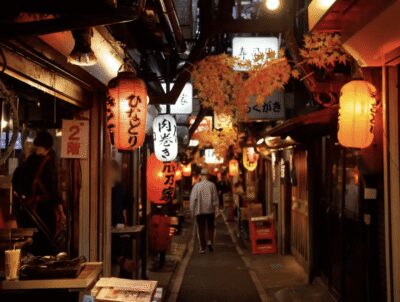
Shinjuku Local Bar and Izakaya Guided Walking Tour
Read our review →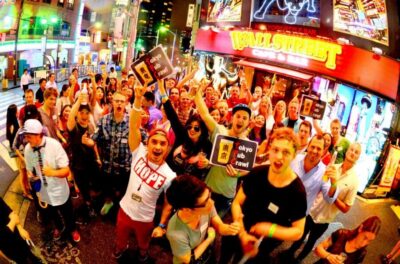
Japanese Speaking Experience Meet the locals Friend Cafe Shibuya
Read our review →
Shinjuku Bar Hopping with All-You-Can-Drink & Dinner
Read our review →
Browse the lists this tour appears in