
REVIEW · JAPAN
Sapporo: Buddha Hill, TV Tower, and Sake Stand Bar Tour
Sapporo’s most striking spiritual sight is not in the city center. It is the 13.5-meter Buddha at the Hill of the Buddha, reached through a curved concrete tunnel and framed by a round opening overhead. This long day links that unusual site with Butsugan-ji Temple, the Sapporo TV Tower, and a sake tasting.
I like the mix of sacred places and ordinary city life. You get a glimpse of local trains, buses, underground shopping passages, and a friendly sake bar, not just a string of formal attractions. I also like the contrast between the 45-meter reclining Buddha at Butsugan-ji and the monumental seated Buddha at the Hill of the Buddha. The drawback is the pace: at 510 minutes, this is a full day with walking, public transportation, and no lunch included.
Key points to know before booking
- Two very different Buddha sights: See a 45-meter-long Nirvana statue at Butsugan-ji, then a 13.5-meter seated Buddha at the Hill of the Buddha.
- A memorable approach: Walk through a concrete passage before the Buddha appears inside a circular rotunda.
- City views at the right time of day: The Sapporo TV Tower observation deck provides a 360-degree view across central Sapporo.
- A practical sake lesson: At Yata Sake Stand Bar, you taste several kinds of sake and learn how they differ.
- Public transportation is part of the day: The route includes buses and local trains, so you experience Sapporo as residents do.
- Plan for a long outing: The tour begins at 9 a.m., lasts 510 minutes, and involves walking outdoors in changing weather.
Why this Sapporo tour feels different
Many Sapporo sightseeing plans focus on food, shopping, parks, and winter activities. This tour takes a quieter route. It asks you to spend much of the day thinking about religious art, memorial spaces, and the role of sake in Japanese social life.
That makes the experience appealing if you want more than quick photographs. The tour also gives you a useful sense of the city’s shape. You begin at Sapporo Station, travel south to Butsugan-ji Temple and the Hill of the Buddha, then return to central Sapporo for the TV Tower and sake bar.
The English-speaking guide helps connect the pieces. Scott is one guide associated with this route, and the experience is designed around explanation rather than simply dropping you at each site. You can ask questions as the day moves from Buddhist sculpture to city architecture and then to sake.
At $170 per person, this is not a cheap sightseeing outing. The price makes more sense if you value included transportation, admission tickets, guiding, and sake tasting. If you are comfortable arranging buses, trains, entry tickets, and a sake bar yourself, you could spend less. You are paying for a planned route and a full day of context.
A few more bar nights around Japan worth a look
- Tokyo Bar Hopping Tour in Shinjuku (All-You-Can-Drink + Dinner)
★ 5.0 · 3,587 reviews - Best of Shinjuku: Izakaya Food Tour (4 Stops, 14+ Tastings)
★ 5.0 · 1,863 reviews - Tokyo: Shinjuku Local Bar and Izakaya Guided Walking Tour
★ 4.9 · 1,794 reviews
Meeting your guide at Sapporo Station
The meeting point is easy to find once you know what to look for. After leaving the main JR gates at Sapporo Station, turn left and walk toward the South Exits. In the near distance, look for MYOMU, the circular white stone structure.
Your guide will wait in front of it with a Snow Monkey Resorts tour tag. The meeting time is 9 a.m., so arrive with enough time to get oriented inside the station. Sapporo Station is large, and a slow start here can make the rest of the day feel rushed.
Wear comfortable shoes from the beginning. You will use public transportation and walk at several stops, including outdoor areas at the temple and cemetery. Bring water, sunscreen, and a hat, even on a mild day. The tour information also asks you to prepare for changing weather.
There is no lunch included. I would have a proper breakfast and carry water, then use the guide’s timing advice to decide how to handle food during the day. The available information does not specify a dedicated lunch stop, so do not assume one is built into the schedule.
Butsugan-ji Temple and the 45-meter Nirvana Buddha
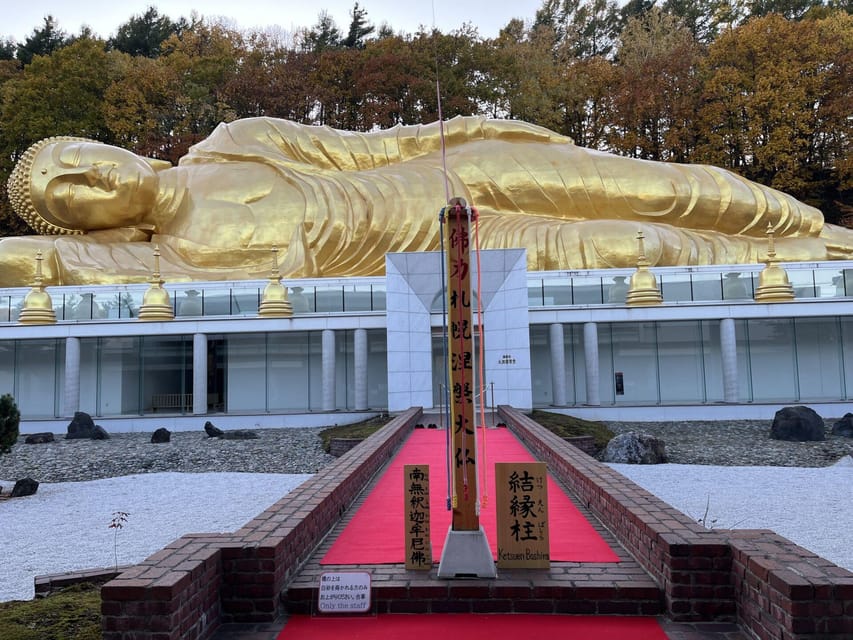
The first major sight is Butsugan-ji Temple in the southern part of Sapporo. Its most unusual feature is the 45-meter-long Buddha Nirvana statue resting on the roof of the Great Nirvana Temple Hall.
A reclining Buddha presents a different image from the upright statue you will see later. The pose suggests rest and the end of earthly suffering, while the scale turns the building itself into part of the visual experience. You are not simply looking at a statue in a room. You are seeing a large religious figure integrated with the temple structure.
The tour also introduces the spiritual importance of Butsugan-ji Temple. That matters because the day is not designed as a quick photo hunt. The guide can help explain why the site is treated as a sacred place and how to behave respectfully.
Take your time with the contrast between the temple’s setting and the giant form above it. The experience may appeal most to people interested in Buddhist imagery, unusual architecture, or the way sacred places are presented in modern Japan.
Be aware that this is not a standard central Sapporo attraction. Reaching the southern district takes time, which is one reason the full-day format makes sense. You gain a distinctive sight, but you give up the flexibility of spending the morning entirely in the city center.
The Hill of the Buddha and its concrete passage
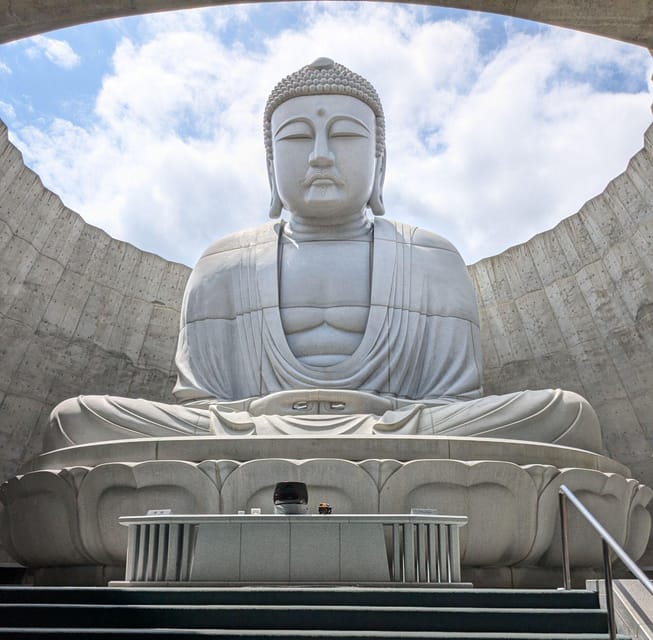
The Hill of the Buddha is the visual center of the tour. After arriving by bus, you walk through an arched concrete tunnel toward the 13.5-meter-tall Buddha.
The design controls what you see. For part of the approach, the statue is hidden. Then the passage opens toward the round rotunda, and the Buddha appears within it. Light enters through the circular opening above, giving the statue a calm, carefully framed setting.
This is a place where the architecture matters as much as the sculpture. The tunnel creates a pause, and the rotunda makes the Buddha feel separate from the surrounding cemetery. I like that the experience is not just about size. The path, light, and rounded walls shape the mood.
You will have time to admire the Buddha and take photographs, but remember that flash photography is not allowed. The site has spiritual importance, so keep your voice and behavior respectful. The tour information specifically asks visitors to recognize the cultural and religious meaning of the places they visit.
The Hill of the Buddha is also part of a larger cemetery area. You will see giant Moai statues and a replica of Stonehenge. These features may surprise you. They add an unusual visual mix to the visit, and they show that the site is not a traditional temple complex in the narrow sense.
The cemetery setting also means the stop may feel more reflective than a normal sightseeing attraction. You are walking through a place connected with remembrance and religion, so comfortable shoes are important. The information provided does not give a detailed walking distance, but the route clearly involves outdoor movement and an approach on foot.
Same city, a completely different last round:
- Shibuya Meltdown Nightlife Tour: All-You-Can-Drink Bar Hopping
★ 5.0 · 1,058 reviews - Osaka Bar Hopping Night Walking Tour in Namba (3 bars, 6 tastes)
★ 5.0 · 958 reviews - Tokyo: Pub Crawl and Bar Tour
★ 4.5 · 951 reviews - Tokyo: Shinjuku Local Bar & Izakaya Crawl Tour
★ 5.0 · 890 reviews
Riding local buses and trains across Sapporo
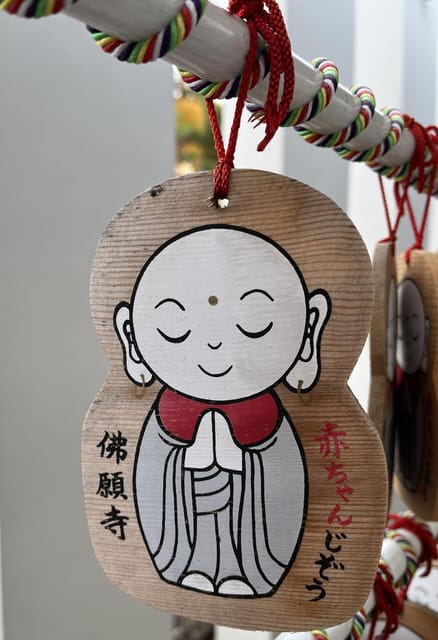
Transportation is not just a way to fill gaps between sights. It is part of the character of the day. You ride local trains and buses toward the Buddha Hill site, which gives you a practical look at how people move around Sapporo.
That can be more revealing than staying in a private vehicle from start to finish. You see the city from street level and get a better sense of the distance between central Sapporo and the southern sites. It also keeps the day connected to normal city life.
Public transportation brings a small risk: schedules can affect the pace. Allow yourself some patience if a bus connection takes longer than expected. The route has had occasional timing hiccups, though the overall day still works as planned.
This is worth considering if you prefer perfectly controlled sightseeing. A private car could be faster and more direct, but it would remove part of the local experience. If you like seeing how a city functions, the buses and trains add value.
Returning downtown for the Sapporo TV Tower
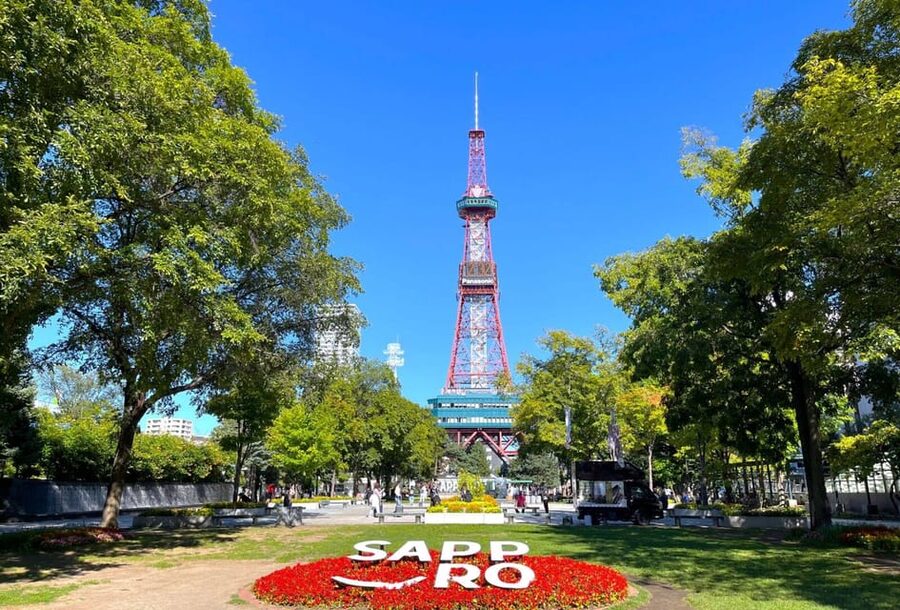
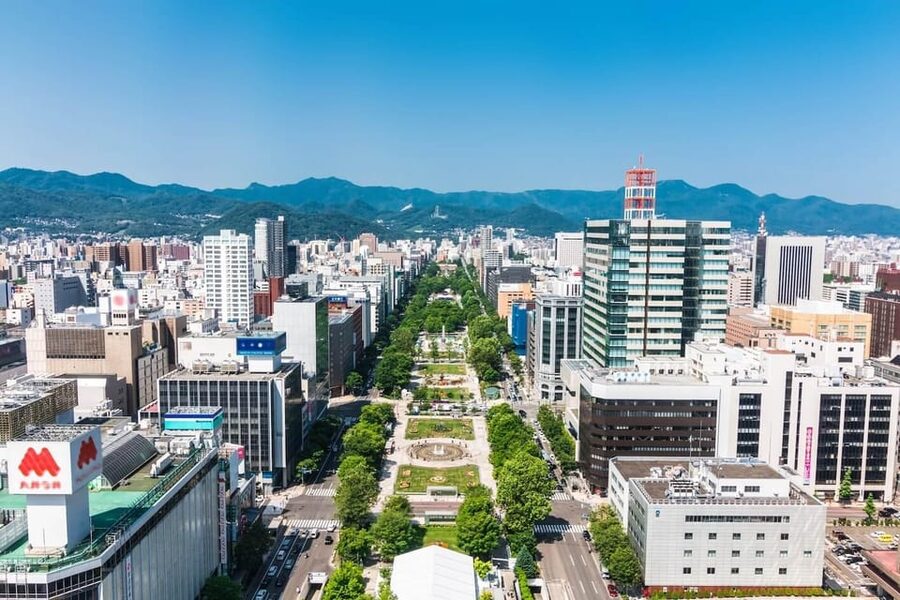
After the southern sites, the tour returns to central Sapporo and heads to the Sapporo TV Tower. The observation deck gives you 360-degree views over the city.
This stop changes the scale of the day. At the Hill of the Buddha, the focus is one immense figure and a carefully designed religious space. From the TV Tower, you see Sapporo as a broad urban grid, with streets and city districts spreading out below.
The timing also helps break up the more solemn parts of the tour. The TV Tower is familiar city sightseeing, but it is useful here because it gives you orientation. After spending time outside the center, you can see how the areas you have visited relate to central Sapporo.
Bring your camera, but do not treat the observation deck as a rushed photo stop. Take a few minutes to look in every direction. The tour promises panoramic views, and the value depends partly on visibility. Weather can affect what you see, so a cloudy day may produce a less dramatic horizon.
The tower is also located near Sapporo’s underground pedestrian areas. The route includes walking through underground malls connecting Odori, Sapporo Station, and Susukino. This is a practical part of the experience, especially in poor weather, and it introduces another side of central Sapporo.
Finishing at Yata Sake Stand Bar
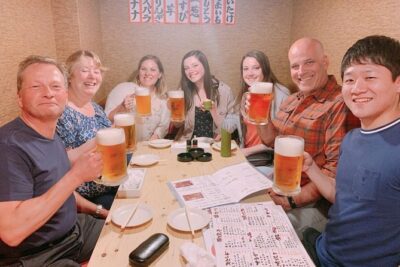
The final stop is Yata Sake Stand Bar, where you taste several types of sake and learn from the staff. This is a good ending because it changes the mood from observation to conversation.
Sake is not one single flavor or style. The bar gives you a chance to compare varieties and ask questions about what you are drinking. The supplied information does not list the exact sake selection, so you should expect an introduction rather than a fixed tasting menu with named bottles.
I like this part because it feels connected to everyday Japanese social life. The staff can also offer suggestions for dinner places after the tour ends, which is useful because the experience finishes in central Sapporo.
The sake tasting is included in the $170 price. If you do not drink alcohol, the available information does not state whether a nonalcoholic alternative is provided, so ask before booking if that matters to you.
The bar is also where the tour becomes most informal. You can chat with the bartenders and use the end of the day to decide what to do next in Sapporo. Since lunch and accommodation are not included, you will need to arrange those separately.
Walking, weather, and comfort
This tour is not suitable for wheelchair users, pregnant women, or people with back problems. That restriction matters because the day includes walking, public transportation, outdoor sites, and movement through the Hill of the Buddha approach.
You should wear comfortable walking shoes, not fashionable shoes that become tiring after several hours. A hat, sunscreen, and water bottle are recommended, and you should be ready for changing weather conditions.
Smoking is not allowed during the experience, and flash photography is prohibited. At religious sites, follow the guide’s instructions and avoid treating the cemetery and temple grounds as ordinary photo backdrops.
The day lasts 510 minutes, or eight and a half hours. That is enough time to see several very different parts of Sapporo, but it also means you should protect your energy. Have breakfast, carry water, and keep your schedule free afterward if you prefer a relaxed evening.
Who should book this experience
I would choose this tour if you want a guided cultural day with unusual sights and a clear sense of place. It suits first-time visitors who want help navigating Sapporo’s public transportation, as well as repeat visitors looking for something outside the usual city-center route.
It is especially good for you if Buddhist sculpture, modern sacred architecture, cemeteries, city viewpoints, and sake all sound appealing in one outing. The variety is the main strength. You move from a temple roof to a concrete Buddha rotunda, then from a high observation deck to a small bar.
I would think twice if you want a short, flexible tour or dislike long days. You may also prefer another plan if your main interest is food, shopping, or central Sapporo. The Hill of the Buddha requires travel time, and the schedule is shaped around several fixed stops.
The English-language guiding is important here. Without context, the Buddha statues and cemetery features might seem like isolated curiosities. With a guide, you have a better chance of understanding their purpose and treating the sites with the right respect.
Is the $170 price fair?
The price is fair for visitors who want convenience and interpretation across a wide route. It includes an English-speaking guide, transportation from Sapporo Station to the listed stops, entry tickets, and sake tasting.
The calculation is less favorable if you plan to visit only the TV Tower or explore Sapporo independently. Those parts are easy to separate from the rest of the day. The value comes from combining distant sites and having someone manage the sequence.
You can cancel up to 24 hours before the tour for a full refund, and the reserve-now, pay-later option keeps your plans flexible. Those terms are helpful when weather may affect your view from the tower or your comfort outdoors.
Should you book it?
Book this tour if you want Sapporo beyond the standard shopping streets and food stops. The Hill of the Buddha’s tunnel and rotunda are the day’s most memorable sight, while the TV Tower and Yata Sake Stand Bar keep the experience connected to the city.
Skip it if eight and a half hours of walking and public transportation sounds tiring, or if you need an accessible route. For the right visitor, the $170 cost buys a thoughtfully linked day: sacred sculpture, unusual cemetery art, city views, local transit, and sake conversation in one outing.
FAQ
Where does the tour meet in Sapporo?
Meet your English-speaking guide at 9 a.m. in front of MYOMU, the circular white stone structure near the South Exits of Sapporo Station. After leaving the main JR gates, turn left and walk toward the South Exits.
How long does the tour last?
The tour lasts 510 minutes, or eight and a half hours. Starting time availability should be checked when booking.
What is included in the price?
The price includes an English-speaking guide, transportation from Sapporo Station to the listed destinations, admission tickets for the scheduled attractions, and sake tasting.
Is lunch included?
No. Lunch is not included, so plan to eat before the tour and arrange food separately during or after the day.
Is the tour conducted in English?
Yes. The tour includes a live English-speaking guide.
What should I bring?
Bring comfortable walking shoes, a hat, sunscreen, a camera, and water. You should also prepare for changing weather conditions.
Is the tour accessible for wheelchair users?
No. The experience is not suitable for wheelchair users. It is also not suitable for pregnant women or people with back problems.
Just added around Japan
- Tokyo night out★ 5.0 · 3 reviews
- Izakaya & Bar Hopping Tour Around Aomori Station★ 5.0 · 3 reviews
- Asakusa Foods & Drinks, Culture Nightlife★ 5.0 · 5 reviews
- Tokyo: Shinjuku Nightlife Tour with Karaoke and Bar Hopping★ 4.1 · 4 reviews
- Tokyo:Shinjuku Ni-chome LGBTQ+ Bar Hopping Tour with Guide★ 5.0 · 2 reviews
- Tokyo: The Best Izakaya Tour in Shibuya★ 4.7 · 15 reviews
- Tokyo: Shinjuku Golden Gai Bar Hopping that only locals know★ 5.0 · 5 reviews
- Tokyo: Shinjuku Hidden Japanese Bar Tour (Neon Light City)★ 5.0 · 4 reviews
Japan Bar Tours, compared.
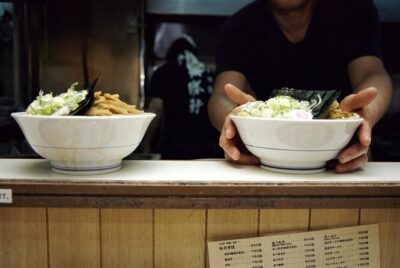
Tokyo Bar Hopping Tour in Shinjuku (All-You-Can-Drink + Dinner)
Read our review →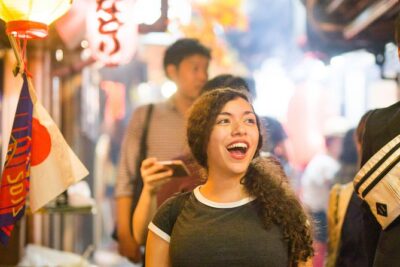
Best of Shinjuku: Izakaya Food Tour (4 Stops, 14+ Tastings)
Read our review →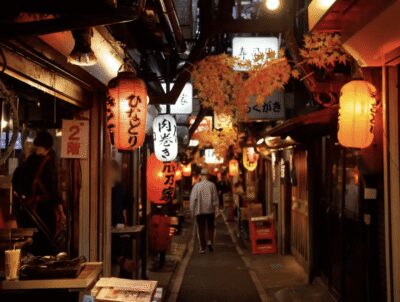
Shinjuku Local Bar and Izakaya Guided Walking Tour
Read our review →
Osaka Bar Hopping Night Walking Tour in Namba (3 bars, 6 tastes)
Read our review →
Browse the lists this tour appears in