
REVIEW · TOKYO
Tokyo:Japanese pub Journey with University Students
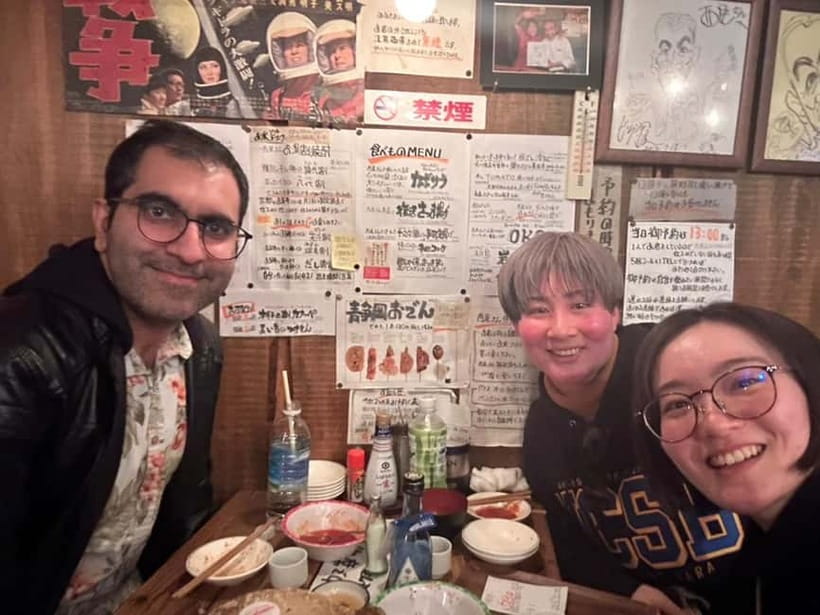
A night in an izakaya is less about checking off famous dishes and more about sitting close, sharing small plates, and talking over a drink. This Shinjuku outing adds an unusual layer: two English-speaking Japanese university students guide you through the meal and discuss student life, local ideas, and everyday Japan.
I like the small group of four, which gives the conversation room to breathe. I also like that the food and restaurant bill are included, so you can focus on the table instead of calculating every order. The main consideration is the price: at $140 per person for two hours, this is an intimate cultural exchange rather than a budget pub crawl.
Key points to know before booking
- Two university students lead the evening: You get direct conversation about modern Japanese life, not only a standard explanation of food.
- Shinjuku is the setting: Meet at the police box near Shinjuku Station’s East Exit and return there at the end.
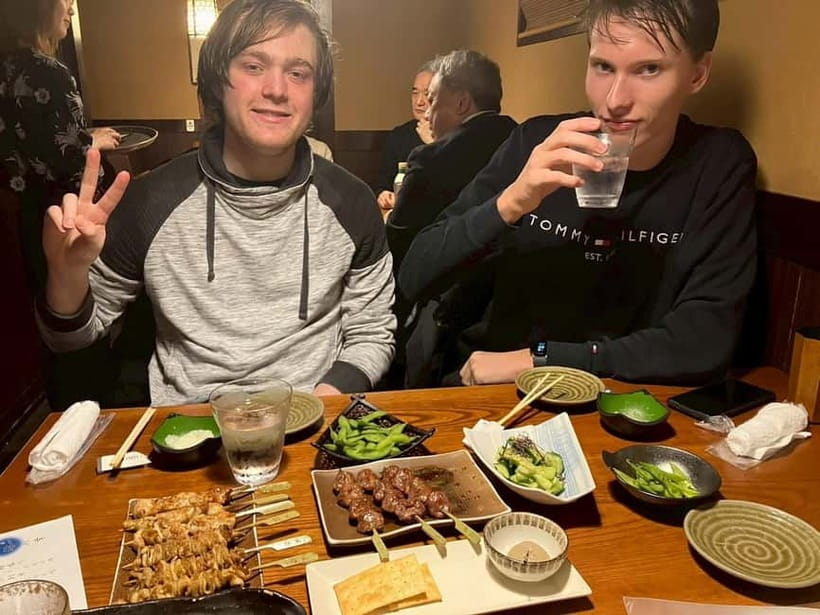
- Classic izakaya dishes are included: Expect items such as yakitori, gyoza, karaage, tamagoyaki, cold tofu, and pickled vegetables.
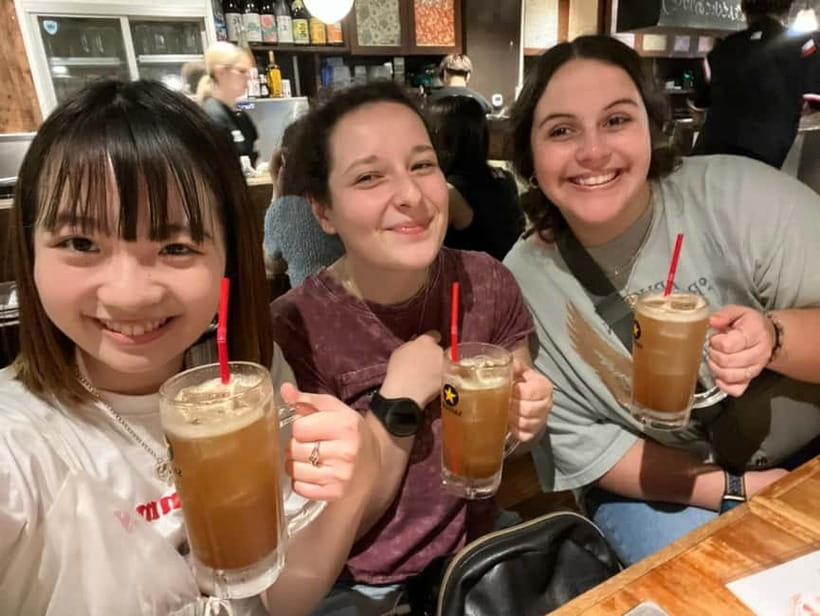
- Drinks are part of the price: Beer, Japanese sake, and plum liqueur are included, and the outing is also intended to work for non-drinkers.
- The experience lasts two hours: That makes it easy to fit into an evening in Tokyo, though the short length limits how many places you can visit.
- The group is capped at four people: This suits anyone who values conversation over a large organized tour.
What an izakaya night really offers
An izakaya is a Japanese pub where small, usually affordable dishes arrive alongside drinks. It is a social place. Instead of ordering one large main course, you share several plates and let the meal build as the conversation goes on.
That format gives you a useful window into Japanese dining habits. Edamame, yakitori, gyoza, karaage, potato salad, tamagoyaki, and oshinko are common choices. You might also find a dish made only at that particular restaurant, which is part of the fun. The food is not presented as a formal tasting menu. It is casual, shared, and suited to a table of people getting acquainted.
The two student guides help explain this setting in plain terms. Their role is not only to point out ingredients. They can talk with you about university life and their own ideas about Japan, giving the evening a personal angle that a standard food tour may not provide.
For me, that is the heart of the experience. You are not simply eating Japanese food. You are using food as a reason to talk with local young adults and ask questions about present-day life.
A few more bar nights around Tokyo worth a look
- Tokyo Bar Hopping Tour in Shinjuku (All-You-Can-Drink + Dinner)
★ 5.0 · 3,587 reviews - Best of Shinjuku: Izakaya Food Tour (4 Stops, 14+ Tastings)
★ 5.0 · 1,863 reviews - Tokyo: Shinjuku Local Bar and Izakaya Guided Walking Tour
★ 4.9 · 1,794 reviews
Meeting at Shinjuku East Exit
The activity begins at the police box near Shinjuku Station’s East Exit, listed as 新宿警察署 新宿駅東口交番. The two university students wait at this meeting point, and the tour also ends there.
This is a practical arrangement if you are already spending time in Shinjuku. You do not need to find a distant restaurant on your own, and the return to the same spot gives the evening a clear finish. Shinjuku Station can be confusing, so allow yourself enough time to reach the East Exit before the scheduled start.
The meeting point is also useful for groups who want a simple reference point. Once you find the police box, you know where to begin and where you will return after dinner. The exact starting time depends on availability, so check the schedule before making other evening plans.
Following the students into local izakaya
The plan is to visit local izakaya rather than stick to tourist-oriented restaurants. Since the exact restaurants can vary, you should expect the setting to be part of the surprise. One visit may introduce you to a place with a special house dish, while another may focus on a different style of food or drink.
That changing element gives the tour a more personal feel. You are not promised the same fixed restaurant on every date. Instead, the student guides introduce you to places connected with local eating habits and their view of Japanese pub culture.
There is also a tradeoff. Because the specific restaurant is not fixed in the information provided, you cannot plan around a particular menu, decor, or neighborhood atmosphere. If you want a carefully staged food tour with a guaranteed list of stops, this may feel less predictable. If you prefer a conversation-led evening with room for local choices, the format makes sense.
The tour returns to the same Shinjuku meeting point after two hours. That is convenient, but it also means this is a focused introduction, not a late-night crawl through several districts.
The food: small plates made for sharing
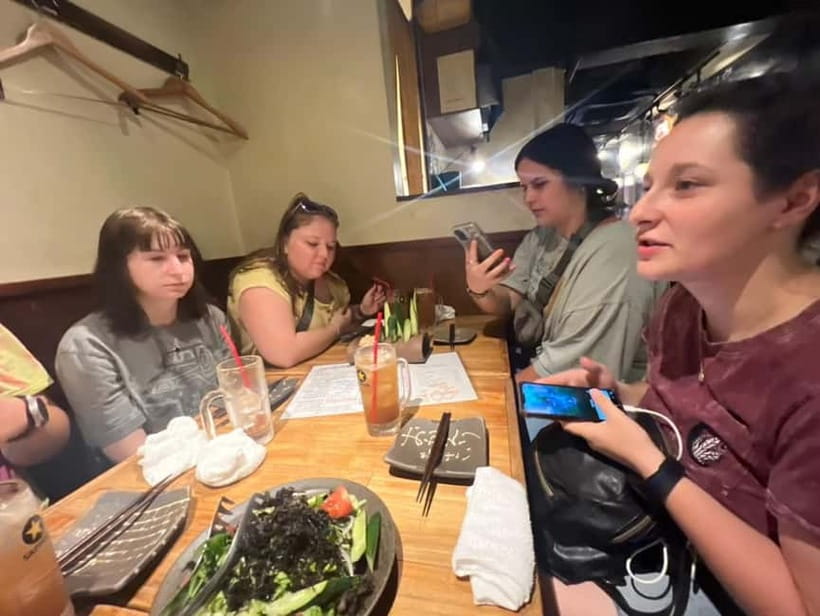
The included meal gives you a broad sample of familiar izakaya food. You may be served deep-fried items, dashi rolled eggs, cold tofu, and other recommended dishes. The listed examples include:
- Yakitori, grilled chicken on skewers
- Gyoza, Japanese-style dumplings
- Karaage, Japanese fried chicken
- Edamame
- Potato salad
- Tamagoyaki, a rolled omelet
- Oshinko, such as pickled cucumber and carrot
These dishes cover several textures and flavors. Fried food brings crunch, tofu offers something cool and mild, and pickles add a sharp contrast. Tamagoyaki gives you a soft, slightly sweet egg dish, while yakitori and gyoza are familiar choices for sharing.
The guides recommend the food, and you can tell them about anything you do not like when you meet. This is an important tip. Do not wait until a dish arrives to mention a strong dislike. The meal is built around shared recommendations, so early communication gives the students a better chance to steer the order.
You should also expect the possibility of a restaurant-specific specialty. The information does not promise a particular signature dish, so treat those items as a pleasant possibility rather than a guarantee. The meal is designed to introduce you to the type of food commonly ordered in an izakaya, not to provide a fixed culinary syllabus.
Same city, a completely different last round:
- Shibuya Meltdown Nightlife Tour: All-You-Can-Drink Bar Hopping
★ 5.0 · 1,058 reviews - Tokyo: Pub Crawl and Bar Tour
★ 4.5 · 951 reviews - Tokyo: Shinjuku Local Bar & Izakaya Crawl Tour
★ 5.0 · 890 reviews - Japanese Speaking Experience Meet the locals Friend Cafe Shibuya
★ 5.0 · 518 reviews
Beer, sake, and plum liqueur, with room for non-drinkers
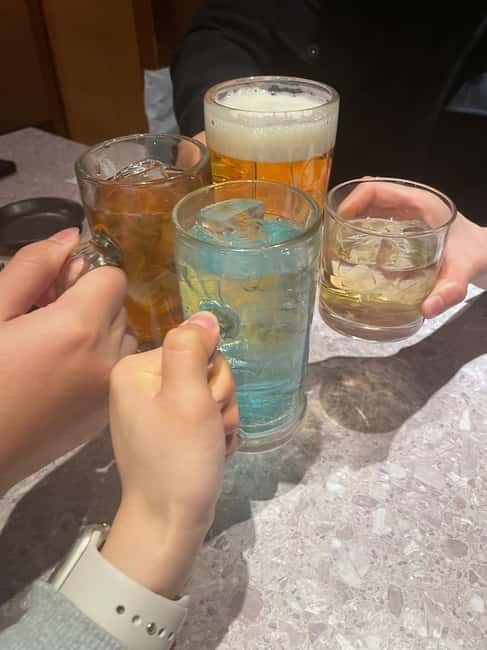
Beer, Japanese sake, and plum liqueur are included in the restaurant bill. These choices give you a simple way to try several familiar Japanese drinks while eating. The inclusion matters because individual restaurant charges can otherwise make a shared meal hard to track.
You do not have to be a dedicated drinker to enjoy the activity. It is described as suitable for drinkers and non-drinkers, and the main value comes from the conversation and food culture. If you do not drink alcohol, tell the guides when you meet so they can help you navigate the meal. The provided information does not specify replacement drinks, so do not assume that every nonalcoholic order is included unless confirmed when booking.
The two-hour length also keeps the drinking element manageable. This is not presented as a heavy drinking night. It is a social meal with local beverages, guided by conversation and shared plates.
Conversation with Japanese university students
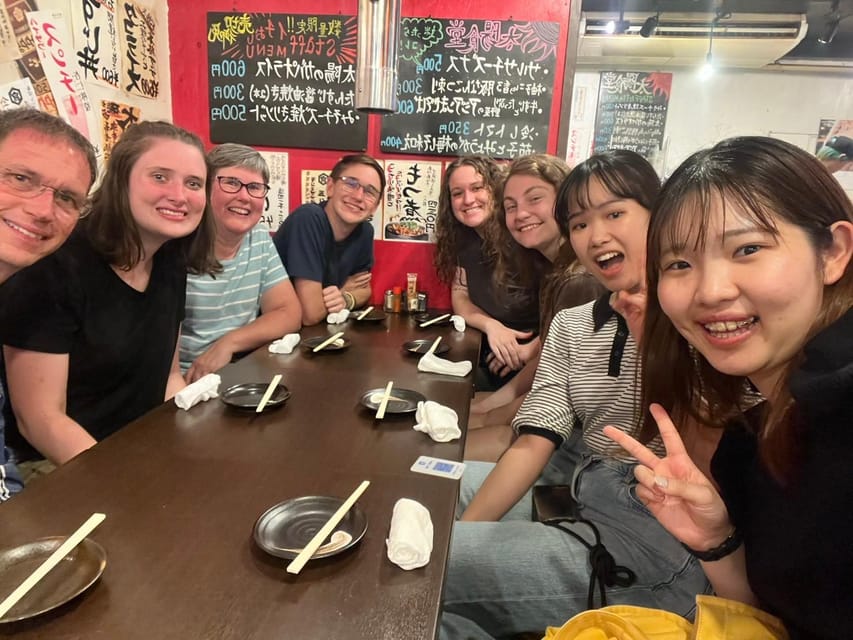
The student guides are the feature that separates this outing from a basic dinner reservation. You can ask about university life, daily routines, ideas about Japan, and the experience of living in the country as a young adult.
That direct exchange has real value. Tourist areas often show you a polished version of Japan, while a conversation with local students can introduce everyday concerns and opinions that do not appear on a sightseeing route. You are given a chance to listen to how this generation sees its own country.
The experience is especially useful if you want to understand modern Japan beyond temples, shopping streets, and major landmarks. It can also suit parents, educators, and first-time visitors who want a friendly setting for questions.
The conversation will work best if you take an active role. Bring a few questions, but leave room for the students to guide the discussion too. The small group makes this easier than on a large food tour, where one or two people can dominate the table.
One personal note from the available feedback is worth emphasizing: the student guides were described as respectful and especially good at introducing foods the participants would not have chosen on their own. That points to the tour’s strongest quality. You are not only given information. You are encouraged to try something outside your usual order, with local people helping you understand what you are eating.
Why the four-person limit matters
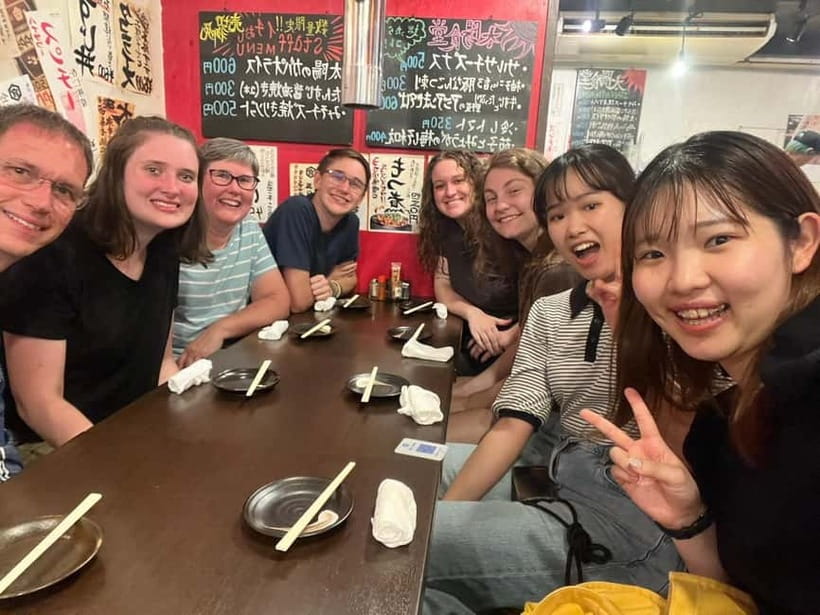
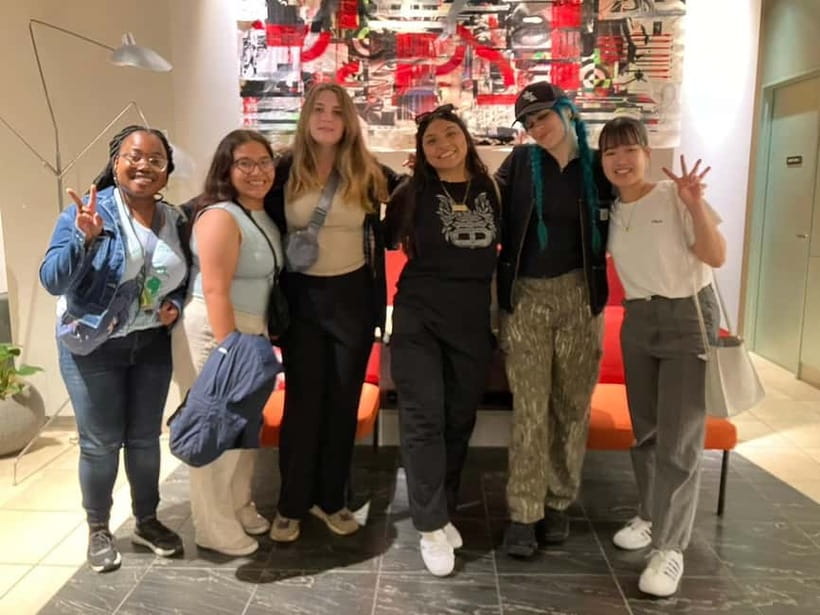
The group is limited to four participants. That is a strong feature for an experience built around conversation. With only a few people at the table, you have more chances to ask questions and less need to compete for the guides’ attention.
A small group can also make a shared meal feel more natural. Izakaya food is made for passing around, and a large party can turn that process into a logistical exercise. Here, the food can remain part of the conversation rather than becoming a production.
There is one practical limitation. A very small group can feel quiet if nobody wants to talk. This activity is not the right pick if you prefer to sit back while a guide gives a long formal presentation. You will get more from it if you are willing to exchange ideas and take part in the meal.
The live guiding is available in English and Japanese. The provided details do not give the students’ names, so you should not expect to select a particular guide in advance.
Is $140 a fair price?
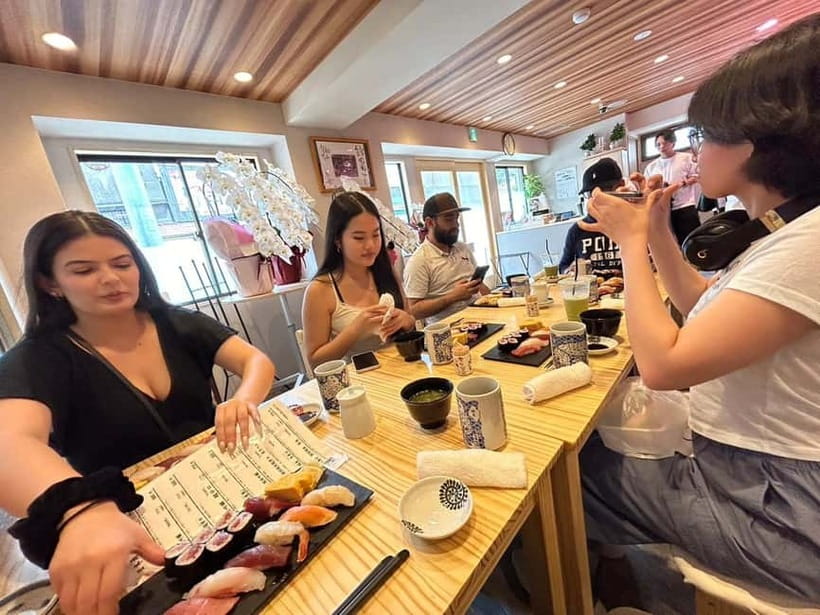
At $140 per person, the cost is high for a two-hour meal if you judge it only by the amount of food and alcohol. You could spend far less on an ordinary izakaya dinner in Tokyo.
The price makes more sense when you count the full package: two university student guides, the included dishes, the listed alcoholic drinks, and the restaurant bill. You are also paying for a small group and for access to a form of conversation that is difficult to arrange on your own.
I would see this as a cultural exchange with food, not as a cheap dinner. If your main goal is to eat as much as possible, the value is weaker. If you want local company, English-language conversation, and a structured introduction to izakaya customs, the price is easier to justify.
The tour’s changing restaurant choices also add a personal element, though they reduce certainty. You are paying for the experience of being introduced to a local place, not for a famous restaurant or a set number of courses.
Practical details that affect your choice
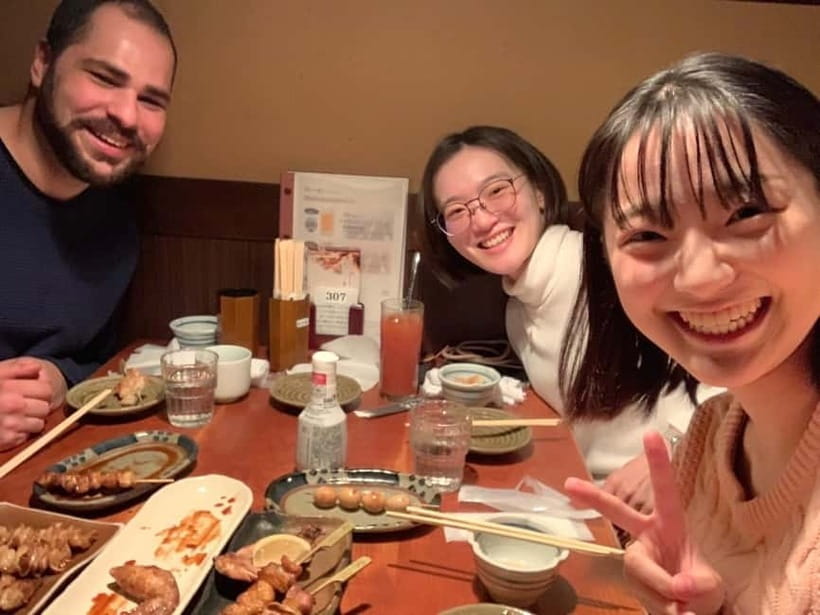
The outing lasts two hours, with starting times available according to the schedule. It begins and ends at the Shinjuku East Exit police box, so plan your evening around that point rather than assuming the restaurant will be close to your hotel.
You need to bring your passport. The activity is wheelchair accessible, a helpful detail for anyone who needs step-free access, though the provided information does not describe the layout of each restaurant.
Participants must be at least 20 years old. This age rule is important because alcohol is part of the included experience and the activity is designed around an adult pub setting.
You can cancel up to 24 hours before the activity for a full refund. A reserve-now, pay-later option is also available, which helps if you are still arranging a Tokyo itinerary. These policies are useful, but the more important booking step is to check the starting time and tell the guides about foods you dislike when you meet.
Who will enjoy this most?
I would recommend this experience to you if you want:
- A small, social evening rather than a large group tour
- A closer look at everyday Japanese pub customs
- Conversation with Japanese university students
- Help choosing dishes you might not order independently
- Food and drinks handled within one stated price
- An outing that begins and ends in Shinjuku
It is less suitable if you want a long food tour, a fixed restaurant list, or a low-cost dinner. It may also disappoint anyone who expects a formal lecture on Japanese history. The focus is informal conversation, shared dishes, and present-day student perspectives.
Should you book the Shinjuku izakaya evening?
Book it if your priority is human connection. The strongest reason to choose this activity is the chance to sit with two Japanese university students and talk about life in Japan while sharing ordinary pub food. That is a more personal experience than simply ordering yakitori from a menu.
The $140 price is fair only if you value the guides, small group, and included bill. If you are comparing it with a regular izakaya meal, it is expensive. If you are comparing it with a private cultural exchange in one of Tokyo’s best-known districts, the package is more reasonable.
Tell the students about food dislikes at the start, bring your passport, and arrive at the Shinjuku East Exit meeting point with time to spare. For adults who want a friendly, direct look at modern Japanese life, this two-hour meal offers a useful way to spend an evening.
FAQ
Where does the izakaya tour begin?
It begins at the police box near Shinjuku Station’s East Exit, listed as 新宿警察署 新宿駅東口交番.
Where does the activity end?
The activity ends back at the same Shinjuku East Exit meeting point.
How long does the experience last?
The tour lasts two hours. Starting times depend on availability.
Who leads the tour?
Two English-speaking Japanese university students wait at the meeting point and guide the experience. Japanese is also available.
What food is included?
Included dishes may include deep-fried food, dashi rolled eggs, cold tofu, edamame, yakitori, gyoza, karaage, potato salad, tamagoyaki, and oshinko.
Are drinks included?
Yes. The included izakaya alcohol consists of beer, Japanese sake, and plum liqueur. The activity is also described as suitable for non-drinkers.
Is the experience suitable for people under 20?
No. The activity is not suitable for people under 20 years old.
Just added around Tokyo
- Tokyo: The Best Izakaya Tour in Shibuya★ 4.7 · 15 reviews
- Tokyo: Shinjuku Nightlife Tour with Karaoke and Bar Hopping★ 4.1 · 4 reviews
- Tokyo:Shinjuku Ni-chome LGBTQ+ Bar Hopping Tour with Guide★ 5.0 · 2 reviews
- Tokyo: Shinjuku Golden Gai Bar Hopping that only locals know★ 5.0 · 5 reviews
- Tokyo: Shinjuku Hidden Japanese Bar Tour (Neon Light City)★ 5.0 · 4 reviews
- Tokyo Pub Crawl: Unique Japanese Drinks in Shimokitazawa★ 5.0 · 7 reviews
- Tokyo: Shinjuku Bar Hopping & Karaoke Night Tour★ 4.9 · 19 reviews
- Tokyo: Shinjuku Golden Gai Bar Hopping Night Tour★ 4.4 · 8 reviews
Tokyo Bar Tours, compared.
Tokyo Bar Hopping Tour in Shinjuku (All-You-Can-Drink + Dinner)
Read our review →
Best of Shinjuku: Izakaya Food Tour (4 Stops, 14+ Tastings)
Read our review →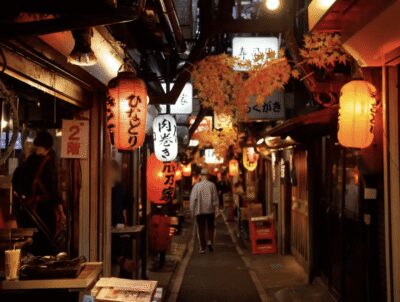
Shinjuku Local Bar and Izakaya Guided Walking Tour
Read our review →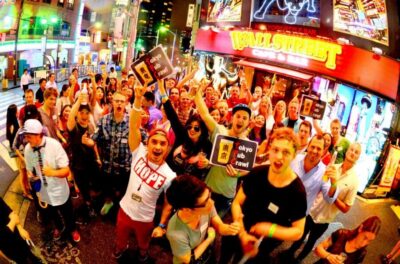
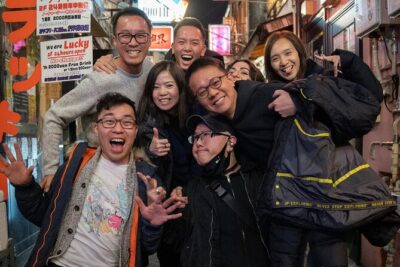
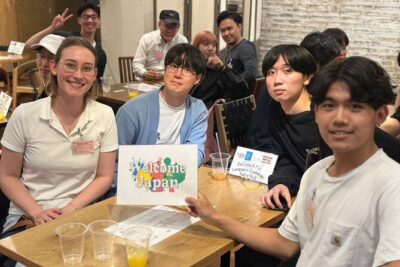
Japanese Speaking Experience Meet the locals Friend Cafe Shibuya
Read our review →
Shinjuku Bar Hopping with All-You-Can-Drink & Dinner
Read our review →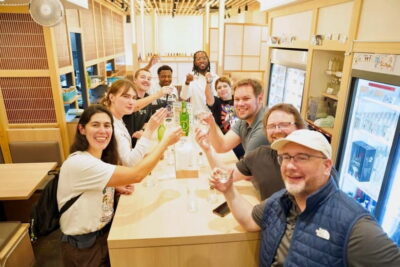
Browse the lists this tour appears in